
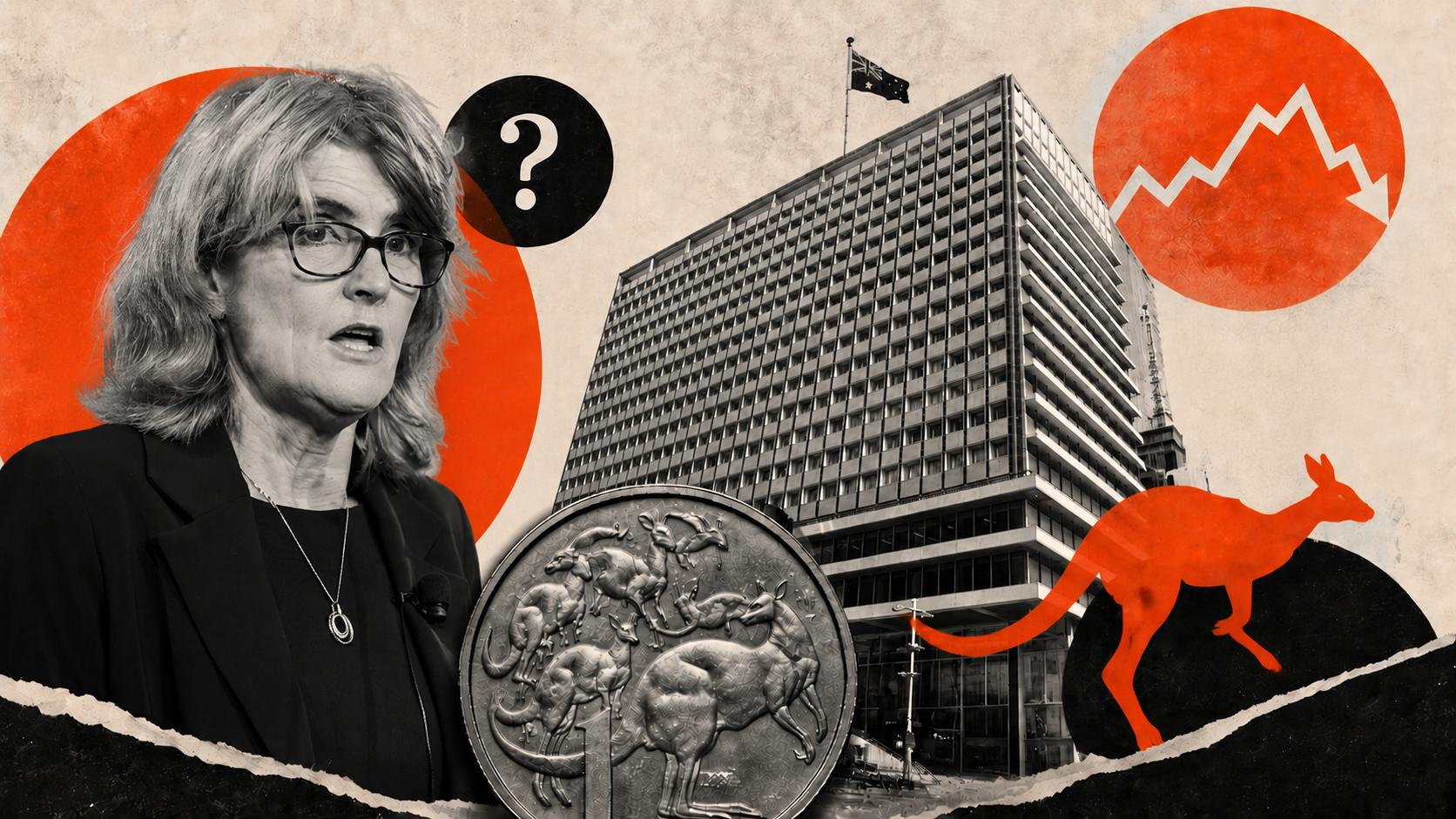
The Australian Dollar (AUD) experienced a modest decline against the US Dollar (USD) during Tuesday's trading session, hovering around the 0.6970 mark. This movement occurred despite recent hawkish statements from Reserve Bank of Australia (RBA) Governor Michele Bullock, which suggested a potential for further monetary policy tightening. The AUD/USD currency pair is a key instrument for retail forex traders looking to capitalize on interest rate differentials and economic performance between Australia and the United States.
Governor Bullock, speaking at the Morgan Stanley Australia Summit, emphasized the RBA's firm commitment to bringing inflation back within its target range of 2-3%. She reiterated that the central bank remains prepared to implement additional interest rate increases if necessary to achieve this objective. Bullock highlighted the persistent nature of services inflation and elevated unit labor costs as significant concerns that could complicate the disinflationary process.
Furthermore, Bullock pointed out that the current economic data, including consumer spending patterns, indicate a level of resilience that is somewhat stronger than the RBA's earlier projections. This robust economic activity could potentially contribute to ongoing inflationary pressures, reinforcing the need for vigilance from the central bank. The RBA's next monetary policy meeting is scheduled for early February, where market participants will closely scrutinize any shifts in the bank's stance.
Global Economic Factors Weigh on AUD
- US Dollar Strength: The US Dollar has shown resilience, often acting as a safe-haven asset and benefiting from divergent global monetary policies.
- Commodity Price Fluctuations: Australia, as a major commodity exporter, sees its currency influenced by global commodity prices, which have seen mixed movements recently.
- Global Risk Sentiment: Broader shifts in investor risk appetite can impact demand for growth-sensitive currencies like the AUD.
The Australian Dollar's performance today, despite the RBA's firm anti-inflation rhetoric, suggests that other market dynamics, possibly including broader US Dollar strength or evolving global risk sentiment, are currently exerting a stronger influence. Traders will be monitoring upcoming economic indicators from both Australia and the United States for further directional cues.
📰 Based on reporting from: FXStreet →