
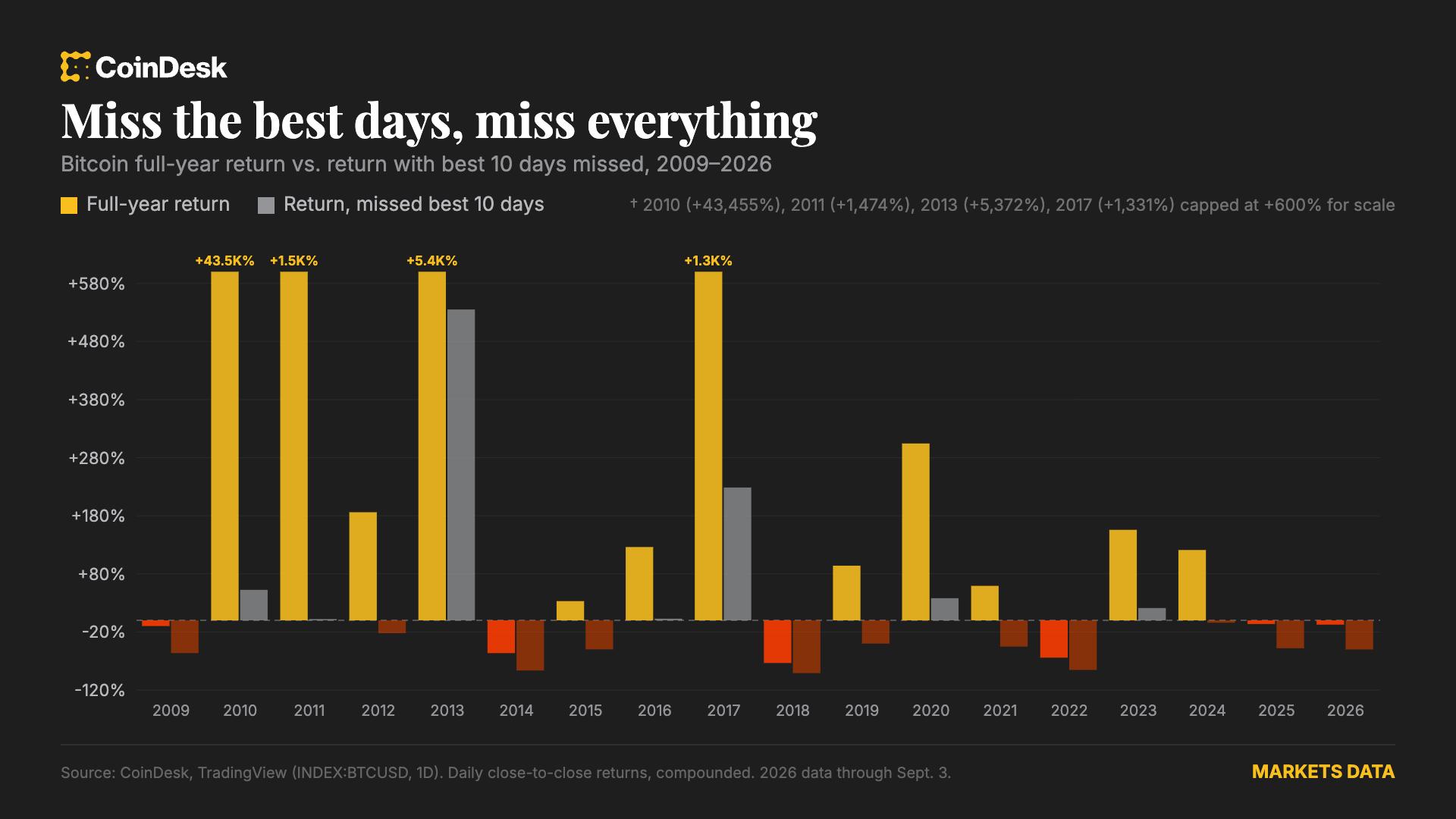
In the volatile world of digital assets, a recurring debate centers on optimal investment strategies. A significant number of market observers and long-term participants advocate for accumulating and holding Bitcoin over extended periods, rather than attempting to profit from short-term price fluctuations. This perspective emphasizes the challenges inherent in accurately predicting market tops and bottoms, a task even seasoned professionals find difficult.
The argument for a 'buy and hold' strategy, often termed 'HODLing' within the crypto community, is rooted in the historical performance of Bitcoin. Despite numerous price corrections and bear markets, Bitcoin has demonstrated substantial growth over multi-year horizons. For retail traders engaging with forex and CFD brokers, understanding this long-term perspective can be crucial, as it contrasts with the often short-term nature of leveraged trading, where timing is paramount.
Attempting to 'time the market' involves predicting when to buy at a low point and sell at a high point. Proponents of the holding strategy argue that the potential gains from successfully timing the market are often outweighed by the risks of mistiming it. Incorrect entries or exits can lead to significant losses, diminishing overall portfolio performance compared to a simpler, less active approach.
The Difficulty of Market Timing
- Unpredictability: Cryptocurrency markets are notoriously volatile and influenced by a wide array of global economic, technological, and regulatory factors, making precise predictions exceptionally challenging.
- Emotional Decisions: Short-term trading often involves making rapid decisions under pressure, which can lead to emotional biases and suboptimal outcomes.
- Transaction Costs: Frequent buying and selling incurs higher transaction fees and potential tax implications, eroding profits over time.
- Time Commitment: Actively managing a trading portfolio demands significant time and continuous market monitoring, which may not be feasible for all investors.
Ultimately, while active trading offers the allure of quick profits, many experts contend that a disciplined approach of accumulating Bitcoin and holding it for the long term has historically proven to be a more effective and less stressful strategy for wealth creation in the cryptocurrency space.
📰 Based on reporting from: CoinDesk →