
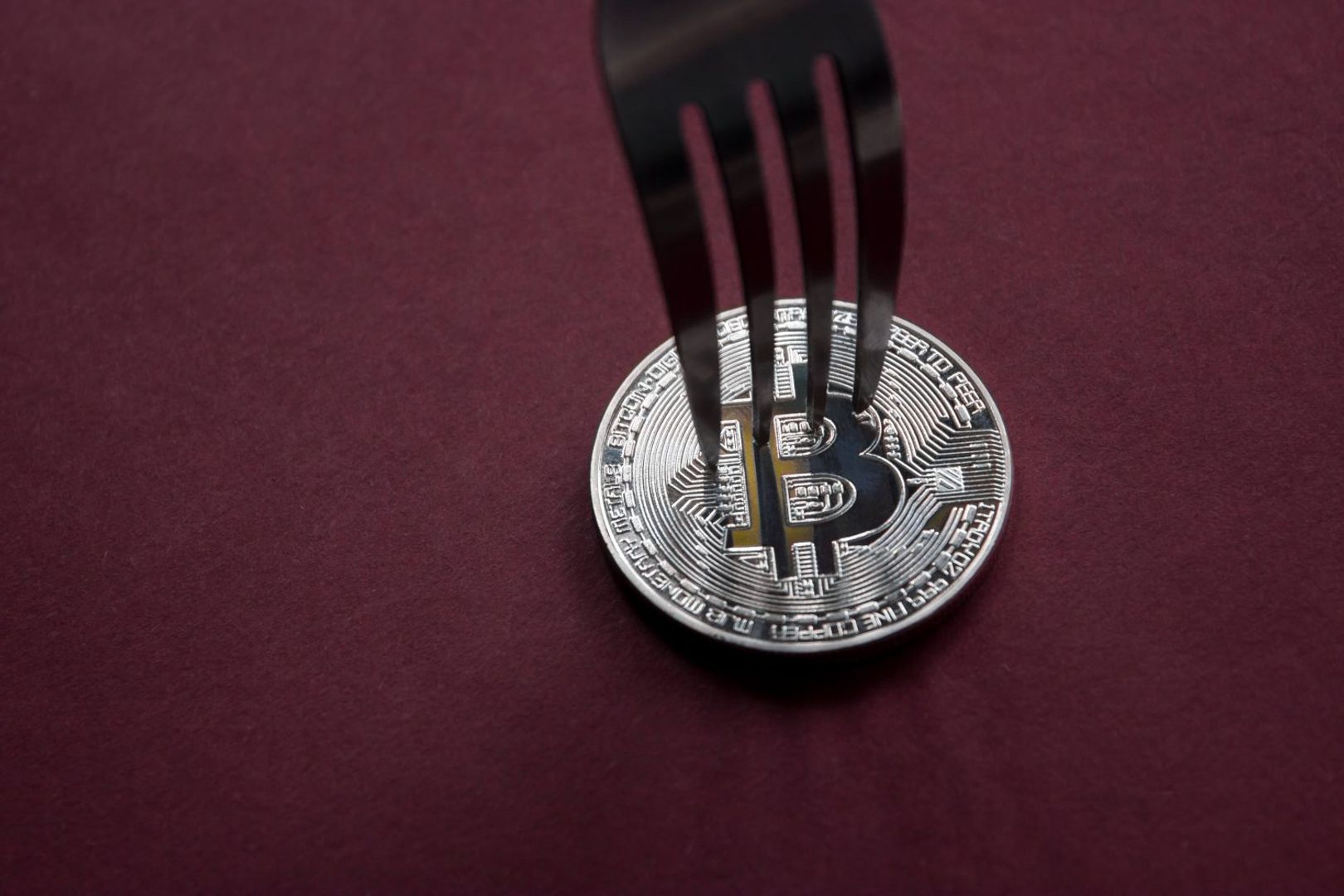
A recent discussion within the Bitcoin development community has highlighted a potential risk for holders of Bitcoin (BTC) if a specific protocol change, known as BIP-110, were to be implemented and subsequently lead to a blockchain fork. A prominent developer has cautioned that individuals who might sell coins originating from such a fork could inadvertently forfeit their claim to genuine Bitcoin on the main chain. This scenario underscores the technical complexities inherent in blockchain upgrades and their potential implications for asset ownership.
The developer's warning centers on the mechanism of a 'forced' fork, which could arise if BIP-110 were activated. In such a situation, participants might find themselves holding two versions of Bitcoin – one on the original chain and another on the new, forked chain. The concern is that transactions made with the forked coins might not be recognized as valid on the original Bitcoin blockchain, potentially leading to a loss of value or ownership for those who sell the 'wrong' version of the asset. For retail forex, CFD, and crypto traders, understanding such fundamental blockchain changes is crucial, as forks can create market volatility and present challenges in distinguishing between different asset versions, impacting trading strategies and asset management.
This particular technical debate revolves around how network upgrades are introduced and validated by the decentralized network of Bitcoin nodes. The developer emphasized that users selling what they believe to be Bitcoin from the BIP-110 fork might effectively be relinquishing their holdings on the canonical Bitcoin chain, even if they are unaware of the distinction. This situation could lead to significant confusion and potential financial losses for uninformed participants in the cryptocurrency market.
Understanding Blockchain Forks and Their Impact
- Hard Forks: These are incompatible changes to a blockchain protocol, requiring all participants to upgrade their software. They can result in two separate blockchains if not all participants agree.
- Soft Forks: These are backward-compatible changes. Older nodes can still validate new blocks, though they might not understand all new rules.
- Replay Attacks: A risk during forks where a transaction valid on one chain is also valid on the other, potentially leading to unintended loss of funds on the second chain.
- User Confusion: Forks often create uncertainty for users regarding which chain represents the 'original' or 'main' asset.
The ongoing discussion serves as a reminder of the importance of staying informed about proposed protocol changes in the cryptocurrency space. While BIP-110 itself is a theoretical scenario in this context, the underlying principles of blockchain forks and their implications for asset security remain a critical consideration for all Bitcoin holders and market participants, highlighting the need for vigilance and technical understanding.
📰 Based on reporting from: CoinDesk →