
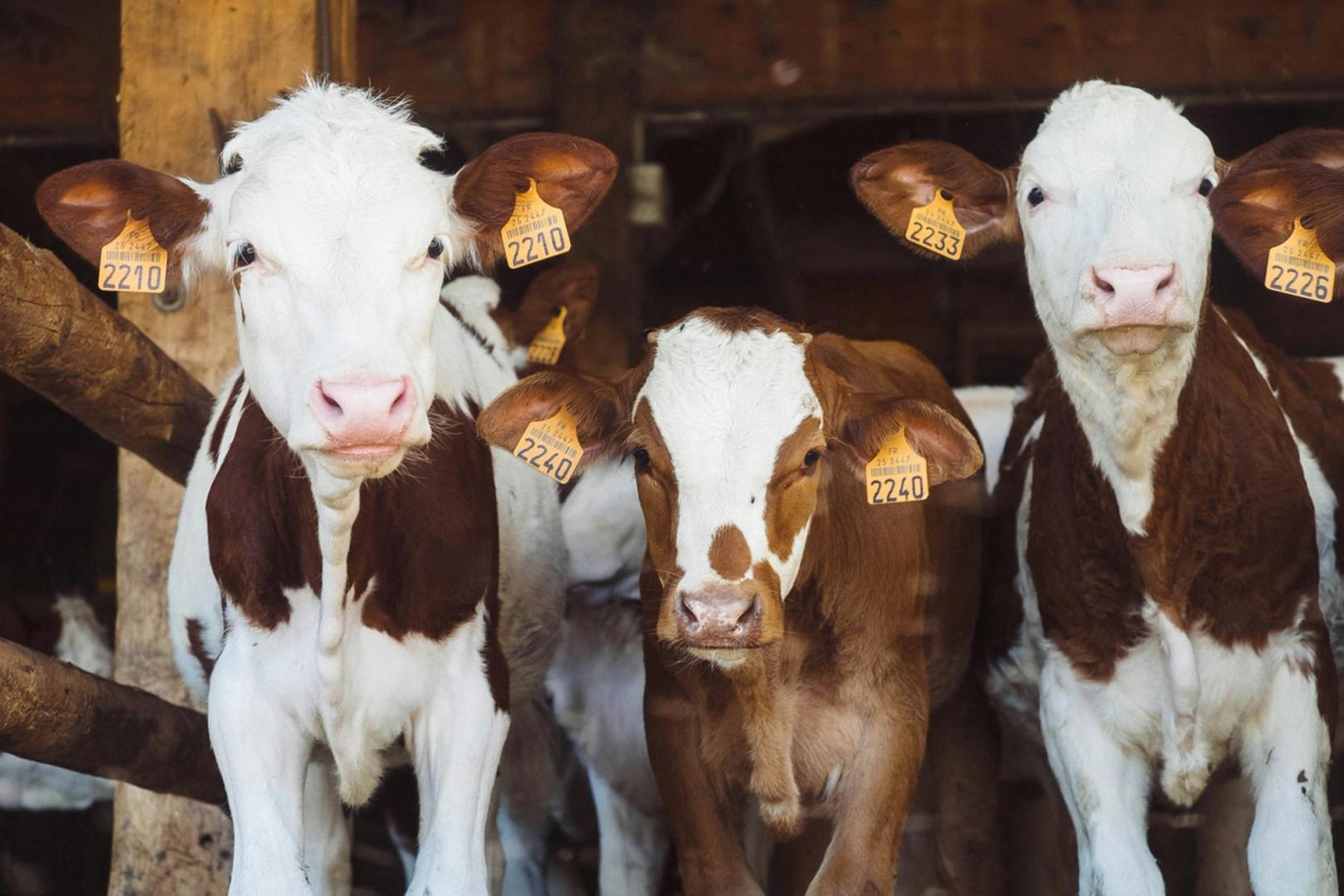
Brazilian dairy farmers are adopting an innovative approach to finance their operations by tokenizing their cattle. This method allows them to obtain loans using their livestock as collateral, effectively circumventing the lending restrictions often imposed by conventional banks. The initiative highlights a growing trend in agricultural finance towards alternative funding mechanisms.
Historically, farmers have faced challenges in accessing sufficient credit, particularly those with smaller operations or in regions underserved by major financial institutions. Traditional lending often involves extensive paperwork, lengthy approval processes, and strict collateral requirements that can be difficult for some producers to meet. The tokenization model offers a potentially more flexible and accessible alternative.
The process involves creating digital tokens on a blockchain, with each token representing a fractional ownership or a specific value tied to an individual dairy cow or a group of cows. These tokens can then be offered to investors or lenders who provide capital in exchange. This mechanism transforms a physical asset into a liquid digital one, broadening the pool of potential financiers beyond traditional banking institutions. For retail forex, CFD, and crypto traders, this represents an interesting real-world application of blockchain technology and asset tokenization, demonstrating how digital assets can be linked to tangible economic activity.
Blockchain's Role in Agricultural Finance
The underlying technology enabling this financial innovation is blockchain, which provides a secure, transparent, and immutable ledger for recording ownership and transactions. This transparency can enhance trust between borrowers and lenders, as the status and value of the tokenized assets can be verified on the distributed ledger. Smart contracts, self-executing agreements coded onto the blockchain, can automate aspects of the loan process, such as interest payments or collateral liquidation conditions, further streamlining operations and reducing administrative overhead.
- Increased Access to Capital: Farmers can tap into a wider pool of investors.
- Enhanced Transparency: Blockchain ensures clear, verifiable asset ownership.
- Streamlined Processes: Smart contracts automate loan terms and payments.
- Diversified Funding Sources: Reduces reliance on traditional bank loans.
This development underscores the evolving landscape of financial services, where blockchain and tokenization are beginning to offer practical solutions for real-world economic challenges, particularly in sectors like agriculture that have traditionally struggled with financing constraints.
📰 Based on reporting from: CoinDesk →