
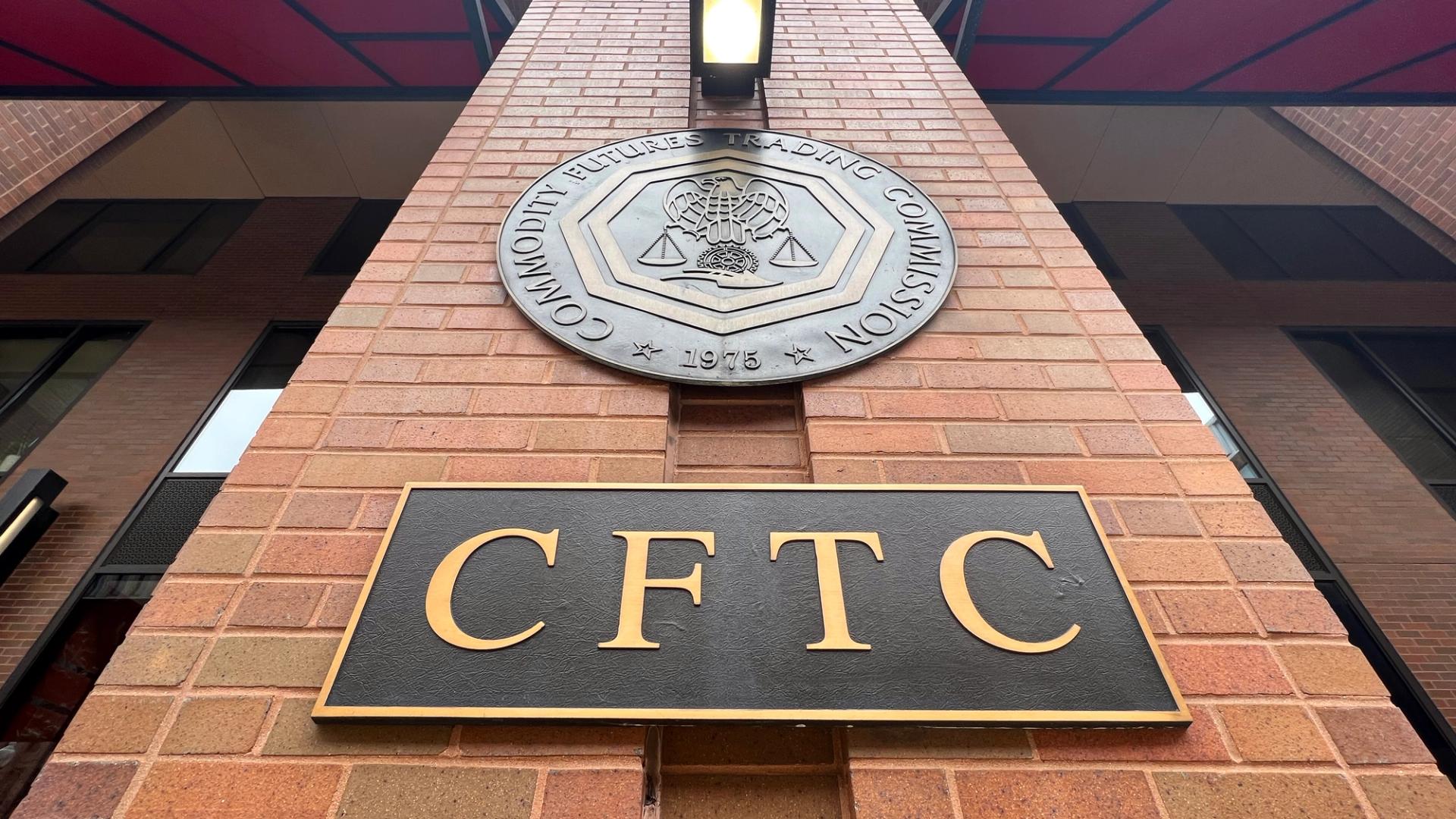
The U.S. Commodity Futures Trading Commission (CFTC) has recently reinforced its position on the regulatory obligations for platforms facilitating prediction markets, particularly those offering event contracts. The agency emphasized that such platforms must adhere strictly to established regulations, cautioning against any shortcuts in compliance. This statement underscores the CFTC's ongoing scrutiny of innovative financial products, ensuring they operate within the existing legal framework designed to protect market integrity and participants.
Prediction markets allow participants to trade contracts whose value is tied to the outcome of future events, ranging from political elections to economic indicators. These contracts often resemble derivatives and, depending on their structure, can fall under the CFTC's jurisdiction as 'event contracts.' The regulator's concern centers on platforms that might be attempting to circumvent the detailed application processes and oversight required for offering such products to the public.
For retail forex, CFD, and crypto traders, understanding this regulatory landscape is crucial as some decentralized finance (DeFi) platforms and crypto exchanges have explored or currently offer similar prediction market functionalities. The CFTC's stance signals a broader regulatory environment where innovative trading mechanisms, especially those with derivative-like characteristics, are expected to meet stringent compliance standards, regardless of the underlying technology or asset class.
Regulatory Framework for Event Contracts
The CFTC's guidelines stipulate that platforms wishing to offer event contracts must either be designated as a contract market or registered as a derivatives clearing organization, or operate under a specific exemption. This involves demonstrating robust financial safeguards, clear rules for contract listing and trading, and comprehensive measures to prevent market manipulation and protect customers. The agency's recent warning highlights a concern that some entities may be operating without these necessary approvals, potentially exposing participants to undue risks.
The regulator is particularly focused on ensuring that these markets do not become avenues for illegal gambling or operate outside the transparency and oversight expected of regulated financial instruments. The implication for both established and emerging platforms is clear: innovation must be paired with rigorous adherence to regulatory requirements. This includes careful consideration of how contracts are designed, marketed, and offered to the public, especially when they involve outcomes that could be perceived as gambling rather than legitimate risk transfer or price discovery mechanisms.
Ultimately, the CFTC's message serves as a reminder to prediction market operators that compliance is not optional. The expectation is for platforms to engage proactively with regulators to ensure their offerings align with U.S. commodities law, fostering a transparent and secure trading environment for all participants.
📰 Based on reporting from: CoinDesk →