
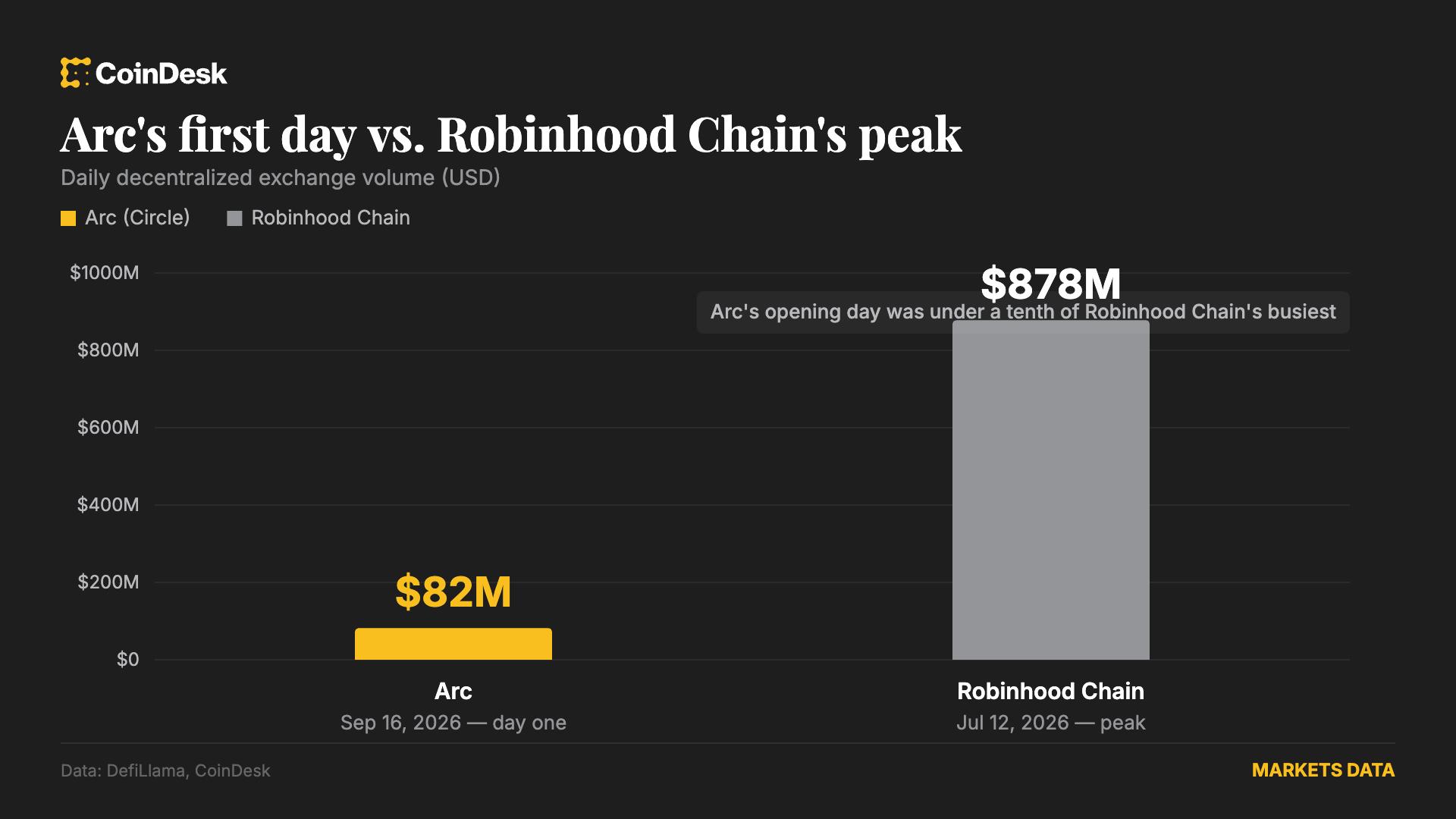
Circle, the issuer behind the USDC stablecoin, recently launched its new institutional blockchain network, dubbed Arc. This permissioned network was conceived to facilitate large-scale financial transactions, tokenized assets, and other institutional use cases, emphasizing regulatory compliance and controlled access. However, its debut saw an unanticipated influx of memecoin-related activity, diverting from its intended serious financial purpose.
The initial hours following Arc's launch were dominated by transactions involving various speculative memecoins. Data from the blockchain indicated a significant proportion of early network traffic was dedicated to these highly volatile digital assets, rather than the institutional-grade operations Circle envisioned. This unexpected pattern highlights a recurring theme in the blockchain space, where new platforms often attract diverse user bases, sometimes diverging from their developers' initial intent.
For retail forex and CFD traders, understanding these dynamics is crucial, as the underlying technology and sentiment can indirectly influence broader cryptocurrency market trends and volatility. The rapid adoption of new blockchain platforms for speculative assets can signal market exuberance or shifts in trader focus, which might impact related instruments.
Arc's Design and Early Usage
- Arc is a permissioned blockchain, meaning participation and transaction validation are restricted to approved entities, contrasting with public, permissionless networks like Ethereum.
- Its design prioritizes security, scalability, and adherence to regulatory frameworks, making it suitable for traditional financial institutions exploring blockchain technology.
- Despite these institutional safeguards, the network's initial public access points allowed for the listing and trading of memecoins, showcasing the difficulty in fully controlling user behavior on decentralized or semi-decentralized platforms.
- The unexpected memecoin activity underscores the strong demand for new avenues for speculative trading within the crypto community, even on platforms designed for more conventional finance.
The early usage patterns on Circle's Arc blockchain provide an interesting case study in the evolving landscape of digital finance. While designed for a specific institutional audience, its initial foray into the public domain demonstrates the pervasive influence of speculative trading within the broader crypto ecosystem. This development will likely prompt Circle to refine access controls and monitoring protocols to better align the network's usage with its strategic objectives.
📰 Based on reporting from: CoinDesk →