
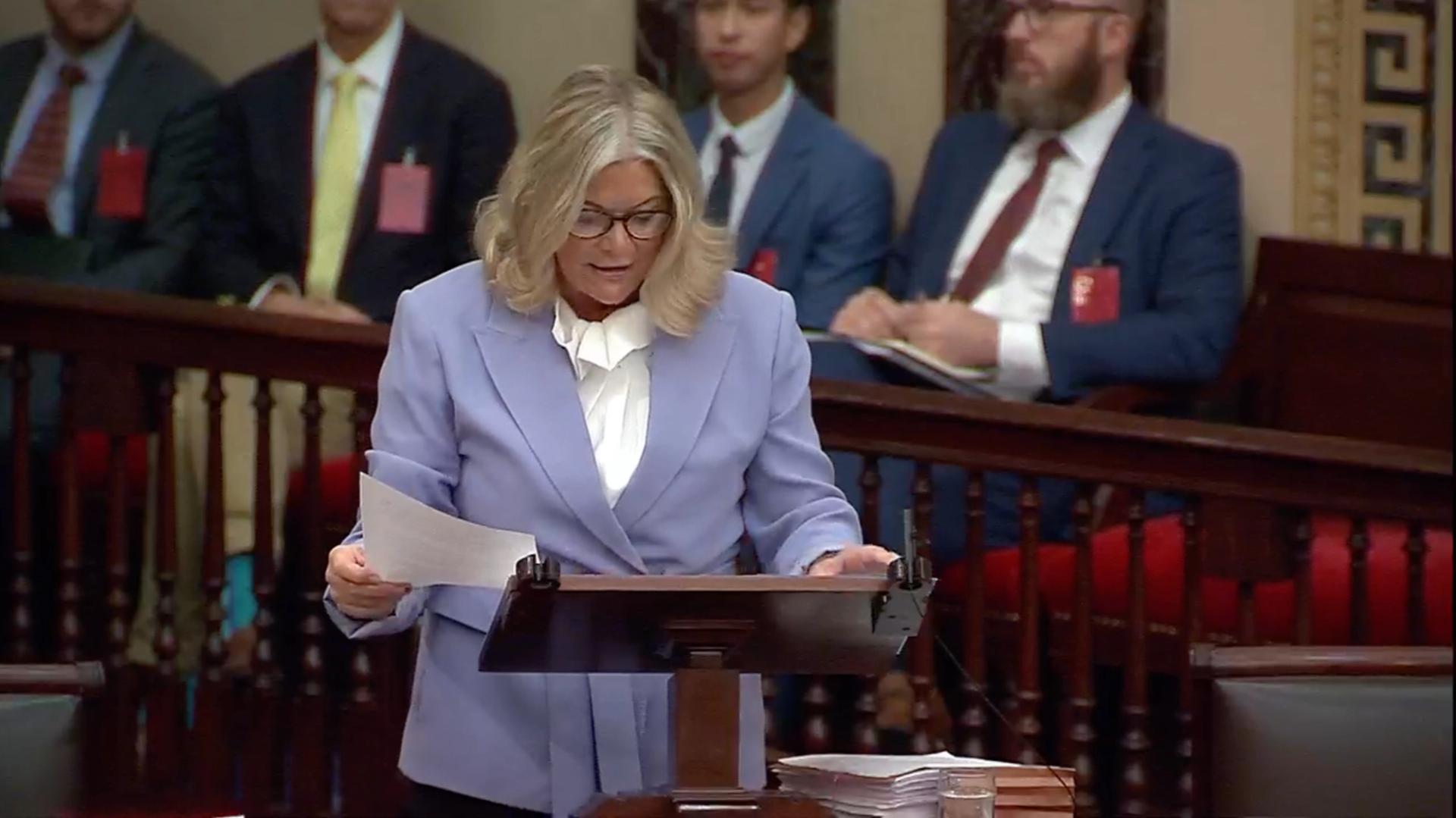
A recent legislative initiative, the Clarity for Digital Assets Act, did not secure sufficient votes to proceed in the U.S. Senate. This bipartisan bill sought to establish a framework for how various digital assets should be classified and regulated, aiming to bring greater certainty to the cryptocurrency industry operating within the United States. The outcome reflects ongoing challenges in reaching a consensus on comprehensive digital asset regulation among lawmakers.
The proposed legislation aimed to delineate the responsibilities of different regulatory bodies, such as the Securities and Exchange Commission (SEC) and the Commodity Futures Trading Commission (CFTC), regarding digital assets. This distinction is particularly relevant for retail forex/CFD traders who also engage with crypto derivatives, as regulatory classifications can impact product availability, trading conditions, and consumer protections. The bill's failure leaves the industry to continue navigating a fragmented regulatory landscape.
Industry stakeholders have frequently called for clearer rules, arguing that the current ambiguity hinders innovation and potentially drives businesses overseas. Many in the crypto sector believe that a well-defined regulatory environment could foster greater investment and mainstream adoption of digital assets. Conversely, some lawmakers and regulators express concerns about consumer protection, market manipulation, and financial stability, advocating for stringent oversight.
Industry Responses to the Vote
- Several prominent figures within the digital asset space voiced disappointment, emphasizing the continued need for a clear legal framework.
- Advocacy groups reiterated their commitment to engaging with policymakers to develop effective legislation for the sector.
- Some analysts suggested that the failure highlights the deep divisions and complexities involved in crafting comprehensive crypto regulation.
- The outcome may prompt renewed efforts to introduce alternative legislative proposals or encourage regulators to issue more guidance under existing laws.
The Senate's decision underscores the persistent legislative hurdles in establishing a definitive regulatory framework for digital assets in the United States. The industry and market participants will likely continue to monitor future legislative attempts and regulatory actions closely as the debate evolves.
📰 Based on reporting from: CoinDesk →