
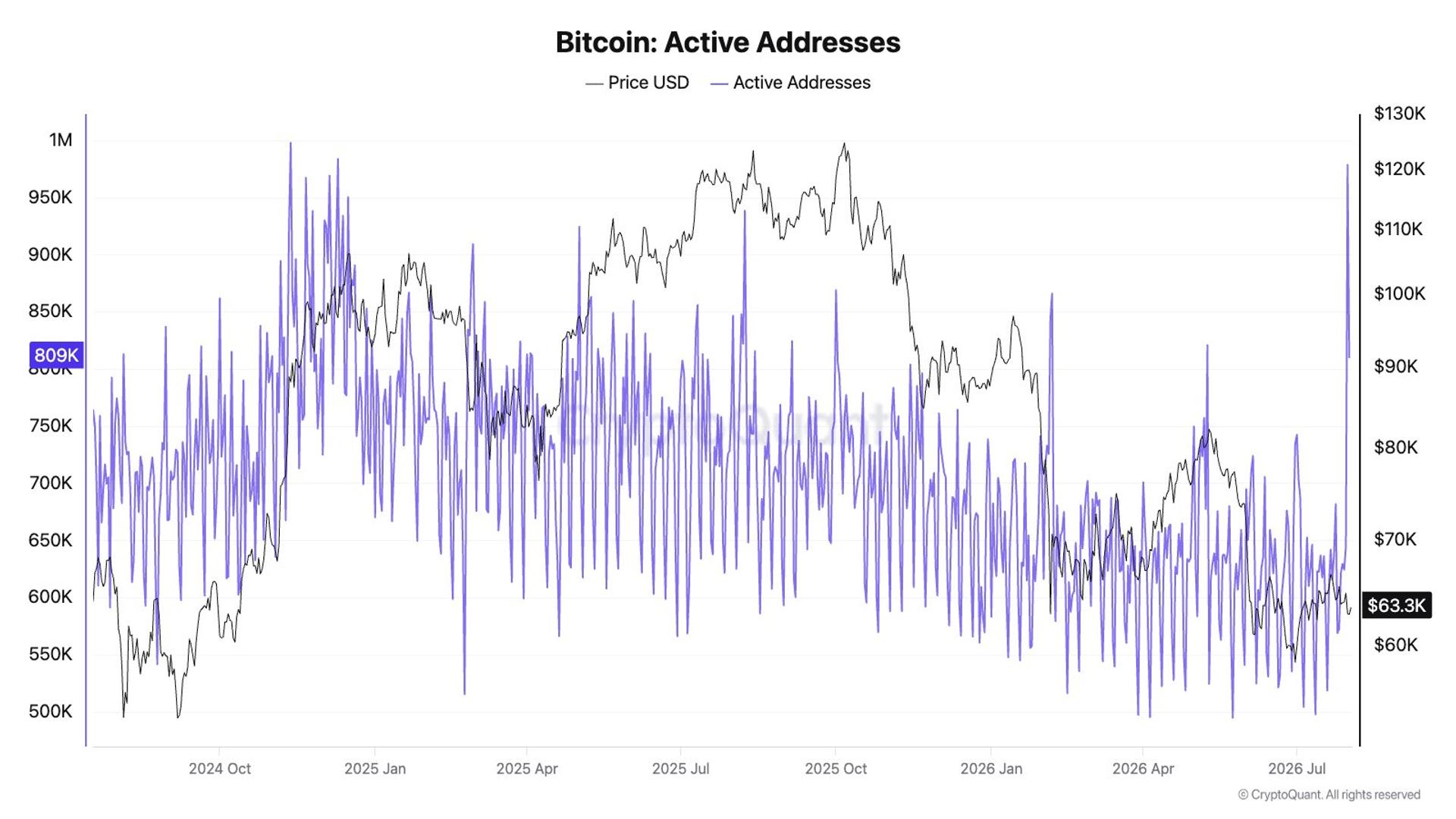
A recent security incident involving Coldcard hardware wallets has prompted a significant reaction within the cryptocurrency community, particularly among Bitcoin holders. Unlike the broader market panic observed during the collapse of FTX, this event has seen a distinct trend: investors are transferring their Bitcoin from self-custodied hardware wallets back to centralized exchanges. This movement suggests a re-evaluation of security protocols and trust in various storage methods following the exploit.
The exploit, reportedly impacting approximately $89 million worth of Bitcoin, targeted specific vulnerabilities within the Coldcard wallet ecosystem. While details regarding the exact mechanism of the breach are still emerging, the incident underscores the persistent security challenges inherent in both self-custody and third-party solutions within the digital asset space. For retail forex/CFD traders who also dabble in cryptocurrencies, understanding the nuances of digital asset security, including the risks associated with different wallet types, is crucial for protecting capital.
This shift in investor behavior highlights a complex dynamic. Self-custody, often lauded for its ability to remove third-party risk, relies heavily on the user's ability to maintain robust security practices and the integrity of the hardware itself. When a widely trusted hardware wallet is compromised, it can erode confidence in this model, pushing some users back towards platforms that offer different, albeit not entirely risk-free, security assurances.
Market Reaction and Investor Confidence
The immediate market reaction to the Coldcard exploit has been characterized by this observable flow of Bitcoin. This contrasts sharply with previous major market events, such as the FTX collapse, which triggered a widespread flight from exchanges into self-custody as users sought to mitigate counterparty risk. The current situation suggests that for some, the perceived security vulnerabilities of a specific hardware wallet now outweigh the perceived risks of centralized exchange custody, at least in the short term. This decision-making process often involves weighing the trade-offs between control, convenience, and various forms of security risks.
While the overall impact on Bitcoin's price has been relatively contained, the incident serves as a stark reminder of the continuous need for vigilance in the crypto sector. Investors are consistently navigating a landscape where technological advancements and security threats evolve rapidly. The ongoing evaluation of where and how to store digital assets remains a critical consideration for all participants in the cryptocurrency market.
📰 Based on reporting from: CoinDesk →