
The cryptocurrency sector continues to experience significant shifts, driven by regulatory developments and the anticipation surrounding new investment vehicles. Market participants are keenly observing actions from regulatory bodies, particularly in major financial jurisdictions, as these decisions often set precedents for global crypto adoption and operational standards. The ongoing dialogue between innovators and regulators aims to establish clear guidelines for digital assets, an effort that could either foster growth or introduce new constraints.
A key area of focus for many in the retail forex and CFD trading community, who often speculate on crypto price movements, is the introduction of spot Ether exchange-traded funds (ETFs). Following the approval of spot Bitcoin ETFs earlier this year, the market is now evaluating the potential for similar products linked to Ethereum. These financial instruments could offer a more accessible and regulated pathway for traditional investors to gain exposure to cryptocurrencies, potentially increasing market liquidity and mainstream acceptance. However, the path to approval for such products involves rigorous review by securities commissions, examining factors like market surveillance, investor protection, and price manipulation concerns.
Regulatory Scrutiny and Market Impact
Regulatory bodies globally are increasing their scrutiny of the cryptocurrency ecosystem. This includes examining various aspects such as stablecoin operations, decentralized finance (DeFi) protocols, and the broader implications of digital asset trading for financial stability. The European Union's Markets in Crypto-Assets (MiCA) regulation, for instance, is set to implement a comprehensive framework, providing clarity for crypto-asset issuers and service providers across member states. Such legislative moves are designed to mitigate risks while fostering innovation, aiming to strike a balance that protects consumers without stifling technological advancement.
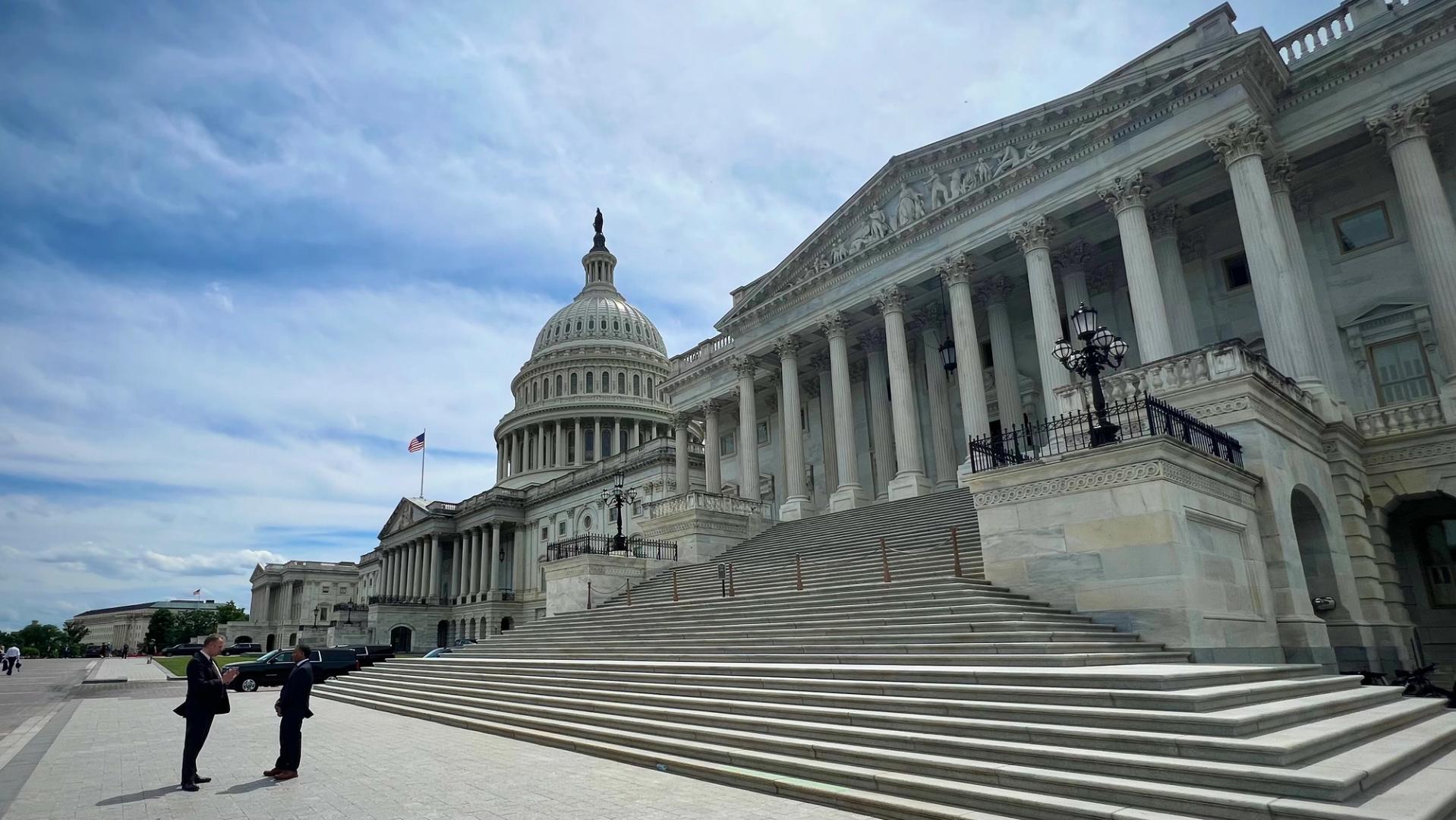
In the United States, discussions around appropriate regulatory classifications for various digital assets continue. The distinction between securities and commodities for different cryptocurrencies has significant implications for how they are traded and regulated. The outcome of these classifications could determine which agencies have oversight and what rules apply to exchanges and brokers dealing in these assets. For traders utilizing CFDs to gain exposure to cryptocurrencies, understanding the underlying regulatory environment is crucial as it can influence market volatility and liquidity.
Ultimately, the crypto market remains at a critical juncture, with regulatory clarity and the expansion of mainstream investment products poised to shape its future trajectory and integration into the broader financial system.
📰 Based on reporting from: CoinDesk →