
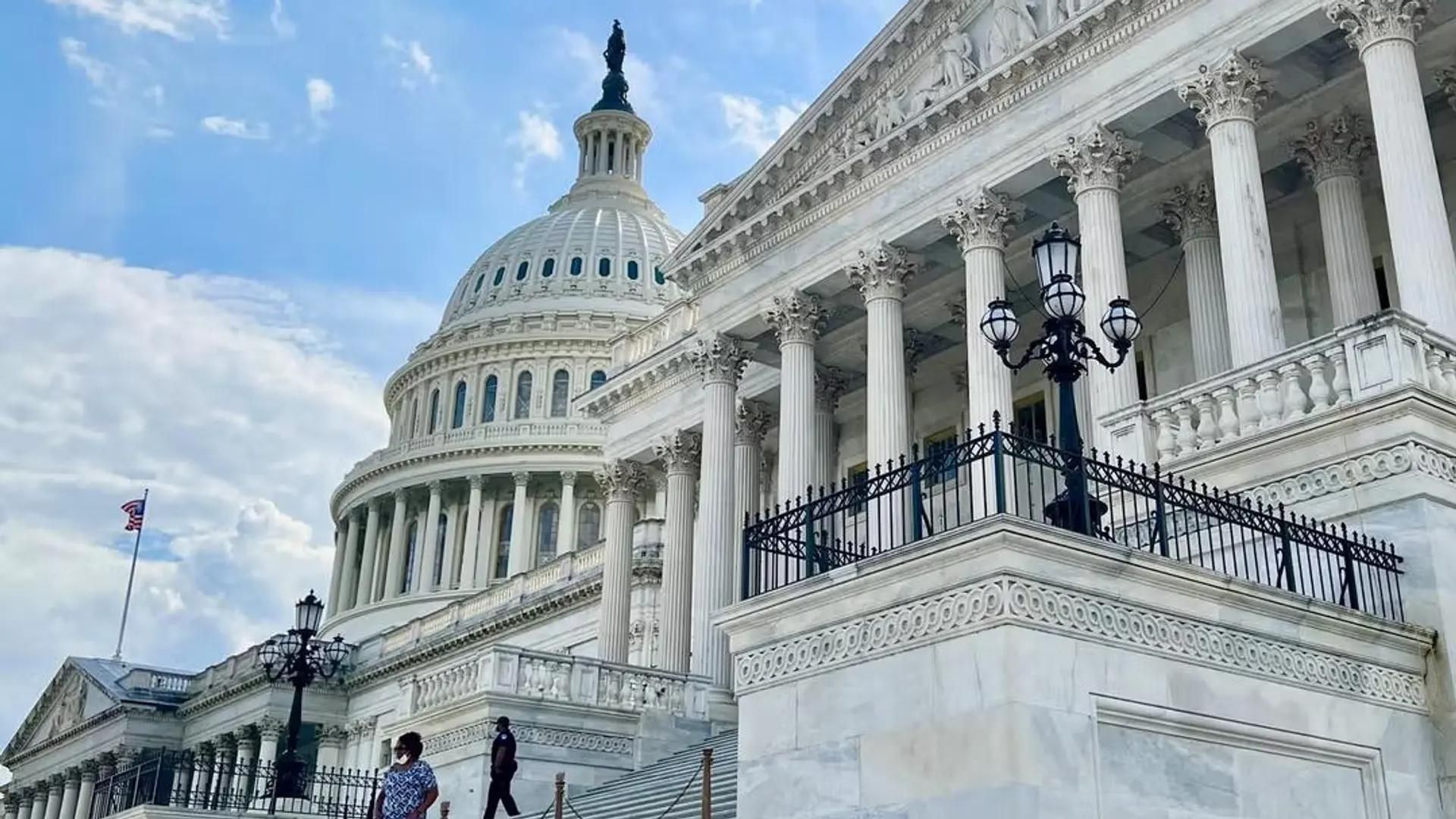
The global regulatory environment for cryptocurrencies and digital assets continues to develop, with various jurisdictions adopting diverse strategies to manage this burgeoning sector. From outright prohibitions to comprehensive licensing regimes, governments worldwide are grappling with how to integrate digital assets into existing financial frameworks while addressing concerns related to consumer protection, financial stability, and illicit finance.
Several major economies have made significant strides in establishing their regulatory stances. The European Union, for instance, is moving forward with its Markets in Crypto-Assets (MiCA) regulation, aiming to create a harmonized framework across its member states. This initiative seeks to provide legal clarity for crypto-asset issuers and service providers, potentially fostering innovation within a regulated environment. Similarly, the United Kingdom has outlined plans to regulate stablecoins and other crypto-assets, emphasizing financial stability and market integrity.
In contrast, other nations are taking more cautious or restrictive approaches. Some countries have implemented strict bans on certain crypto activities, while others are exploring central bank digital currencies (CBDCs) as an alternative to privately issued cryptocurrencies. The varied responses highlight the ongoing debate among policymakers regarding the fundamental nature of digital assets and their potential impact on traditional financial systems. Retail forex/CFD traders who also engage with crypto markets should be aware of these differing regulatory stances, as they can significantly impact the availability of certain assets and the operational environment for crypto exchanges and brokers in various regions.
Emerging Regulatory Trends and Challenges
A key trend emerging globally is the focus on stablecoins, given their potential to bridge traditional finance and the crypto world. Regulators are increasingly scrutinizing stablecoin reserves, issuance, and redemption mechanisms to ensure their stability and prevent systemic risks. Anti-Money Laundering (AML) and Combating the Financing of Terrorism (CFT) regulations also remain a priority, with many jurisdictions implementing stricter reporting requirements for virtual asset service providers (VASPs) to enhance transparency and mitigate risks associated with illicit financial flows.
- Consumer Protection: A primary concern across most regulatory frameworks, focusing on safeguarding investors from fraud and market manipulation.
- Market Integrity: Efforts to prevent market abuse and ensure fair and transparent trading practices.
- Financial Stability: Assessing and mitigating potential risks that crypto assets could pose to the broader financial system.
- Innovation vs. Regulation: The ongoing challenge of fostering technological advancement without compromising regulatory objectives.
The evolving global regulatory landscape for digital assets presents both opportunities and challenges. While increased clarity can foster greater institutional adoption and market maturity, the fragmented nature of global regulations may lead to regulatory arbitrage and operational complexities for businesses operating across borders. Market participants will need to remain vigilant and adapt to these changes as jurisdictions refine their approaches to digital asset oversight.
📰 Based on reporting from: CoinDesk →