
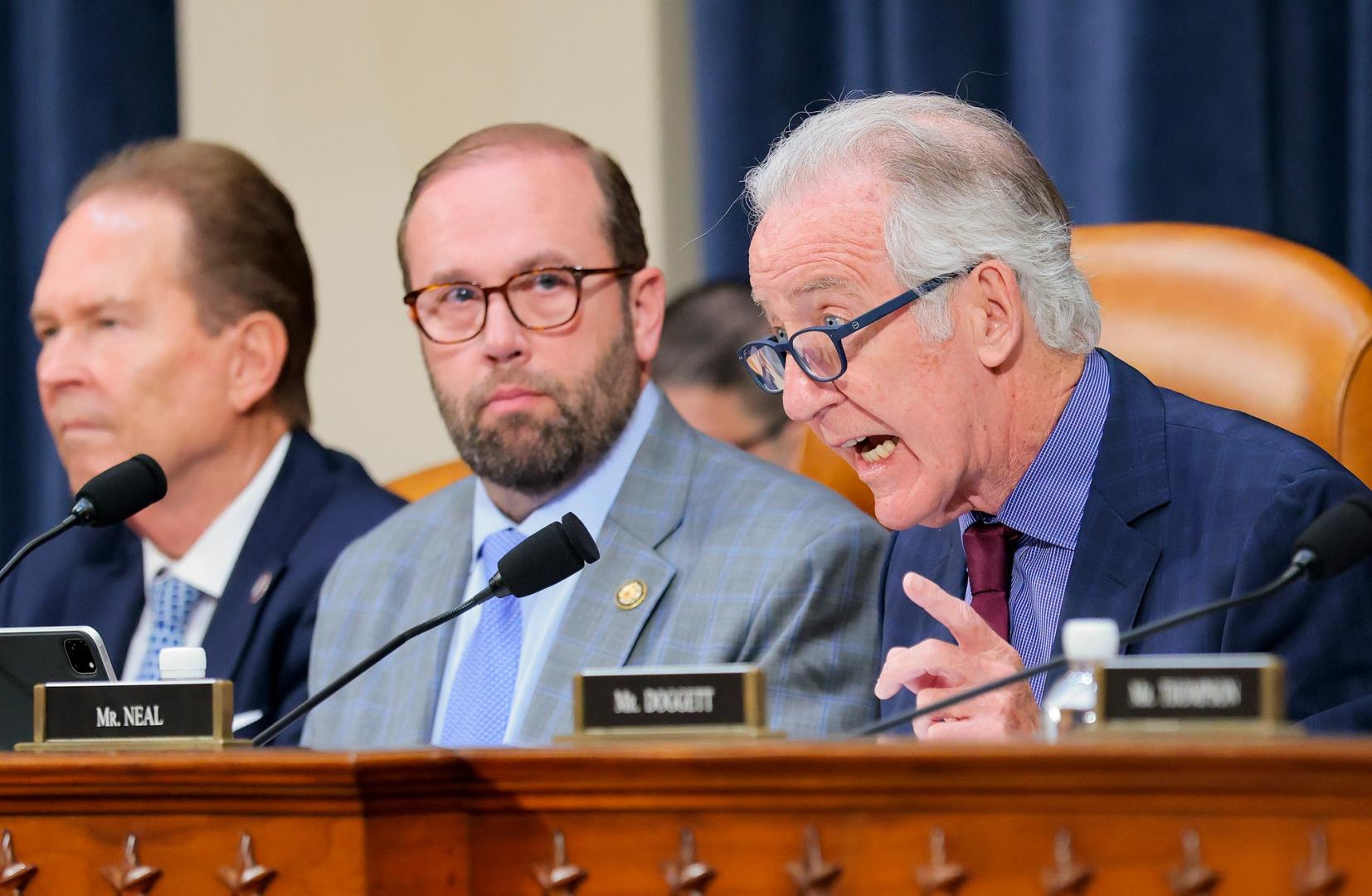
The U.S. House Ways and Means Committee has recently approved a legislative proposal designed to modify tax reporting requirements for digital assets. This development follows a setback for a separate bill, the FIT21 Act, which aimed to establish a comprehensive regulatory framework for cryptocurrencies but encountered resistance within the Senate. The current bill specifically addresses how certain entities involved in cryptocurrency transactions report information to the Internal Revenue Service (IRS).
A key aspect of the proposed legislation involves redefining who qualifies as a 'broker' within the digital asset ecosystem. Under existing infrastructure legislation passed in 2021, a broad definition of 'broker' was adopted, raising concerns among various crypto participants that it could encompass entities unable to comply with traditional financial reporting standards. These include decentralized finance (DeFi) protocols, miners, and software developers who do not hold customer assets or facilitate transactions in a way that allows for easy information collection.
<Key Provisions of the Proposed Legislation
- The bill seeks to narrow the definition of a 'broker' for digital asset transactions, exempting entities that do not have the capability to collect and report user information to the IRS. This aims to alleviate the compliance burden on non-custodial participants in the crypto space.
- It proposes that only entities directly involved in facilitating the exchange of digital assets for cash or other property, and those with access to customer identification details, would be subject to broker reporting requirements.
- The legislation also includes provisions to delay the implementation of certain digital asset reporting rules until 2026, providing a grace period for the industry to adapt to any new regulations.
For retail forex, CFD, and crypto traders, understanding these evolving tax regulations is crucial, as they can impact reporting obligations for profits and losses derived from digital asset trading. While direct implications for traditional forex and CFD markets are limited, the broader regulatory landscape for digital assets can influence market sentiment and liquidity, indirectly affecting related investment vehicles.
This legislative movement indicates an ongoing effort within U.S. Congress to refine the regulatory approach to digital assets, balancing the need for tax compliance with supporting innovation in the cryptocurrency sector. The bill will now proceed for consideration by the full House of Representatives, with its future trajectory remaining subject to further legislative debate and potential amendments.
📰 Based on reporting from: CoinDesk →