
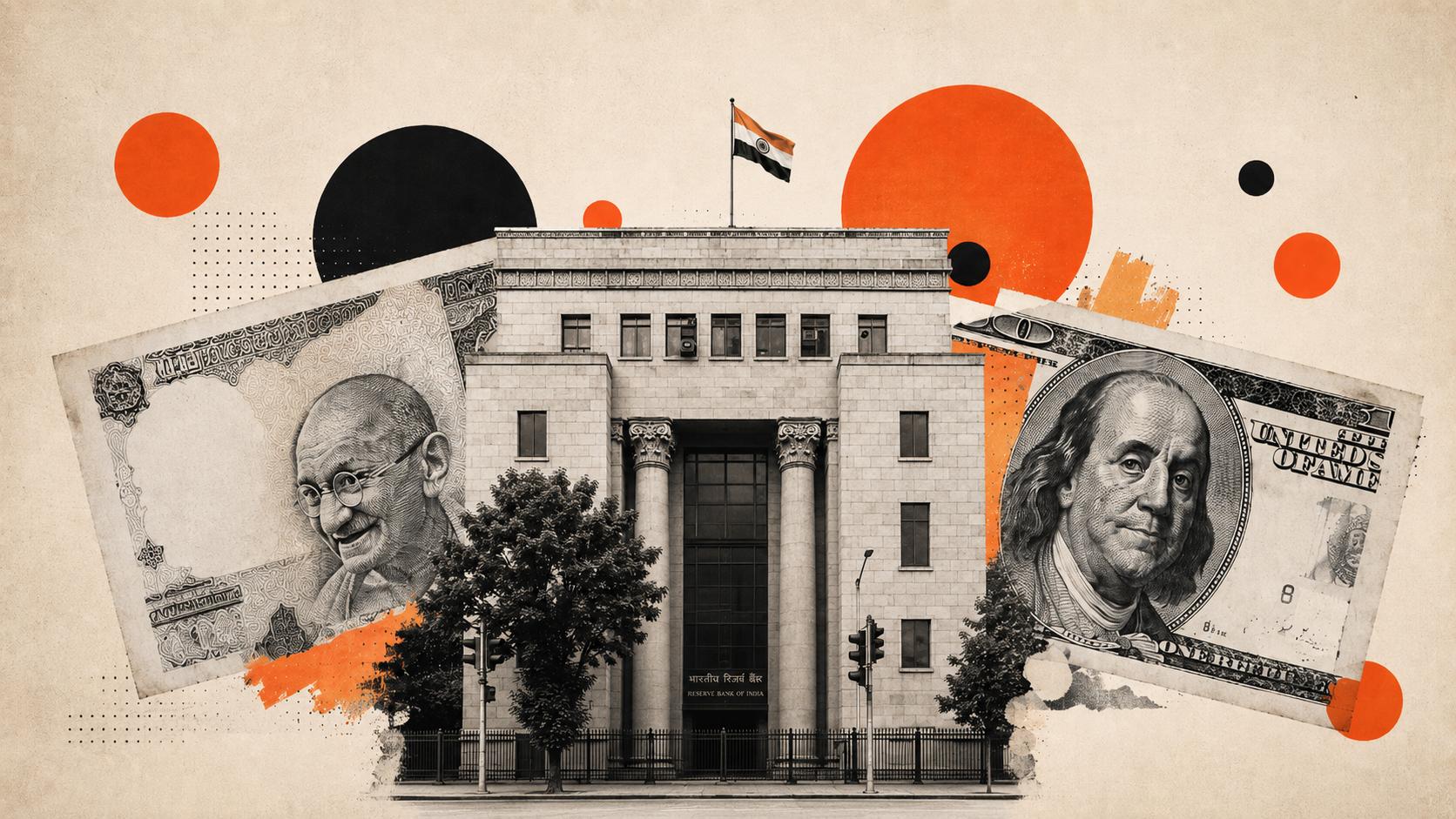
The Indian Rupee (INR) commenced Thursday's trading session with notable strength against the US Dollar (USD), pushing the exchange rate to a two-month high. This upward movement for the INR builds on recent momentum, reflecting a shift in market sentiment concerning the currency pair.
Several factors appear to be contributing to the Rupee's recent appreciation. Positive domestic economic indicators, coupled with a more stable global risk environment, have likely bolstered investor confidence in India's currency. Additionally, the dynamics of capital flows, particularly foreign institutional investment into Indian equities and debt markets, often play a significant role in the INR's performance. For retail forex and CFD traders, understanding these underlying economic and capital flow trends is crucial, as they can influence the volatility and direction of INR pairs, presenting both opportunities and risks.
Market participants are closely monitoring the Reserve Bank of India's (RBI) stance on monetary policy. Any signals regarding interest rates or interventions in the foreign exchange market can have an immediate impact on the Rupee's value. Similarly, broader movements in the US Dollar, driven by Federal Reserve policy expectations or shifts in global safe-haven demand, also exert considerable influence on the USD/INR pair.
Key Drivers Behind Rupee's Strength
- Improved domestic economic data from India.
- Increased foreign capital inflows into Indian markets.
- A generally more stable global economic outlook.
- Potential for a less aggressive tightening stance from the RBI compared to other major central banks.
Looking ahead, the Rupee's trajectory will likely depend on a confluence of these domestic and international factors. Traders will be watching for upcoming economic data releases from both India and the United States, as well as any policy communications from their respective central banks, to gauge potential future movements in the USD/INR exchange rate.
📰 Based on reporting from: FXStreet →