
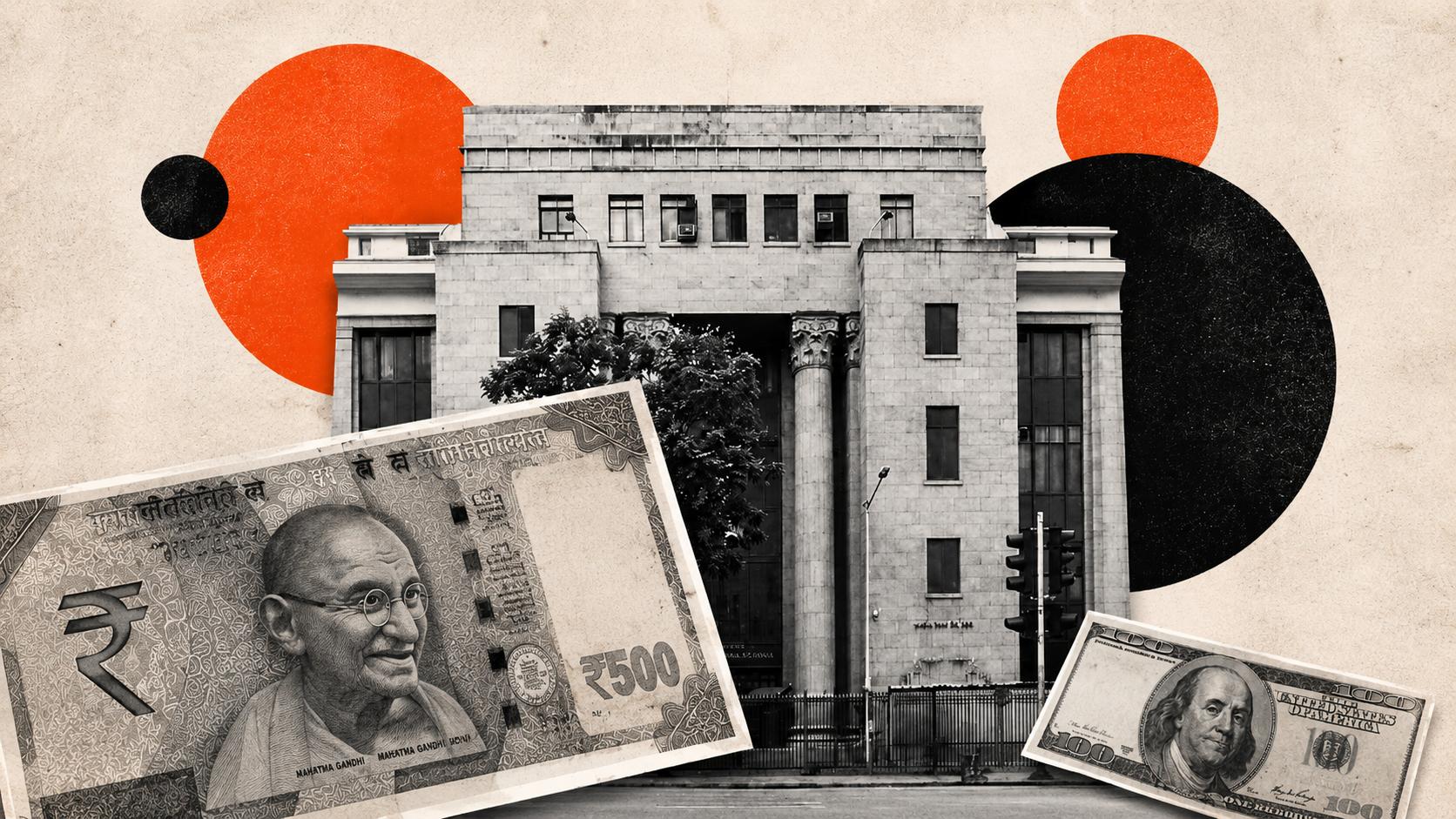
The Indian Rupee (INR) experienced a notable reversal of fortunes against the US Dollar (USD) recently, relinquishing substantial gains observed earlier in the trading session. This shift occurred in the wake of the Reserve Bank of India's (RBI) latest monetary policy announcement, which outlined the central bank's stance on interest rates and future economic outlook. Currency pairs such as USD/INR are frequently influenced by central bank decisions, which can introduce volatility and trading opportunities for retail forex and CFD participants.
Initially, the Rupee had shown considerable strength, trading at levels not seen in several months. This early appreciation was largely attributed to positive market sentiment preceding the RBI's statement, with some analysts anticipating a more hawkish tone or specific measures that could bolster the domestic currency. However, as details of the policy emerged, the market's reaction led to a rapid unwinding of these positions, pushing the INR back towards its previous trading range.
RBI's Monetary Policy Stance
The Reserve Bank of India opted to maintain its key repo rate at 6.50%, a decision that was widely anticipated by economists. Furthermore, the central bank reiterated its commitment to withdrawing accommodation, signaling a continued focus on managing inflation while supporting economic growth. The RBI also raised its growth forecast for the current fiscal year to 7.2% from 7.0%, reflecting optimism about the nation's economic momentum. Conversely, the inflation projection for the same period was kept at 4.5%, indicating ongoing vigilance regarding price stability.
Market participants often scrutinize central bank communications for subtle shifts in language or forward guidance that might signal future policy adjustments. In this instance, the RBI's cautious approach, coupled with its emphasis on data dependency, appeared to temper the initial enthusiasm surrounding the Rupee. The absence of any immediate hawkish surprises or new measures to directly support the currency likely contributed to the subsequent profit-taking and depreciation.
Ultimately, the Rupee's performance underscores how central bank policy statements, even when largely in line with expectations, can trigger significant intraday price movements as traders adjust their positions based on the nuanced details and market interpretations of the announcements.
📰 Based on reporting from: FXStreet →