
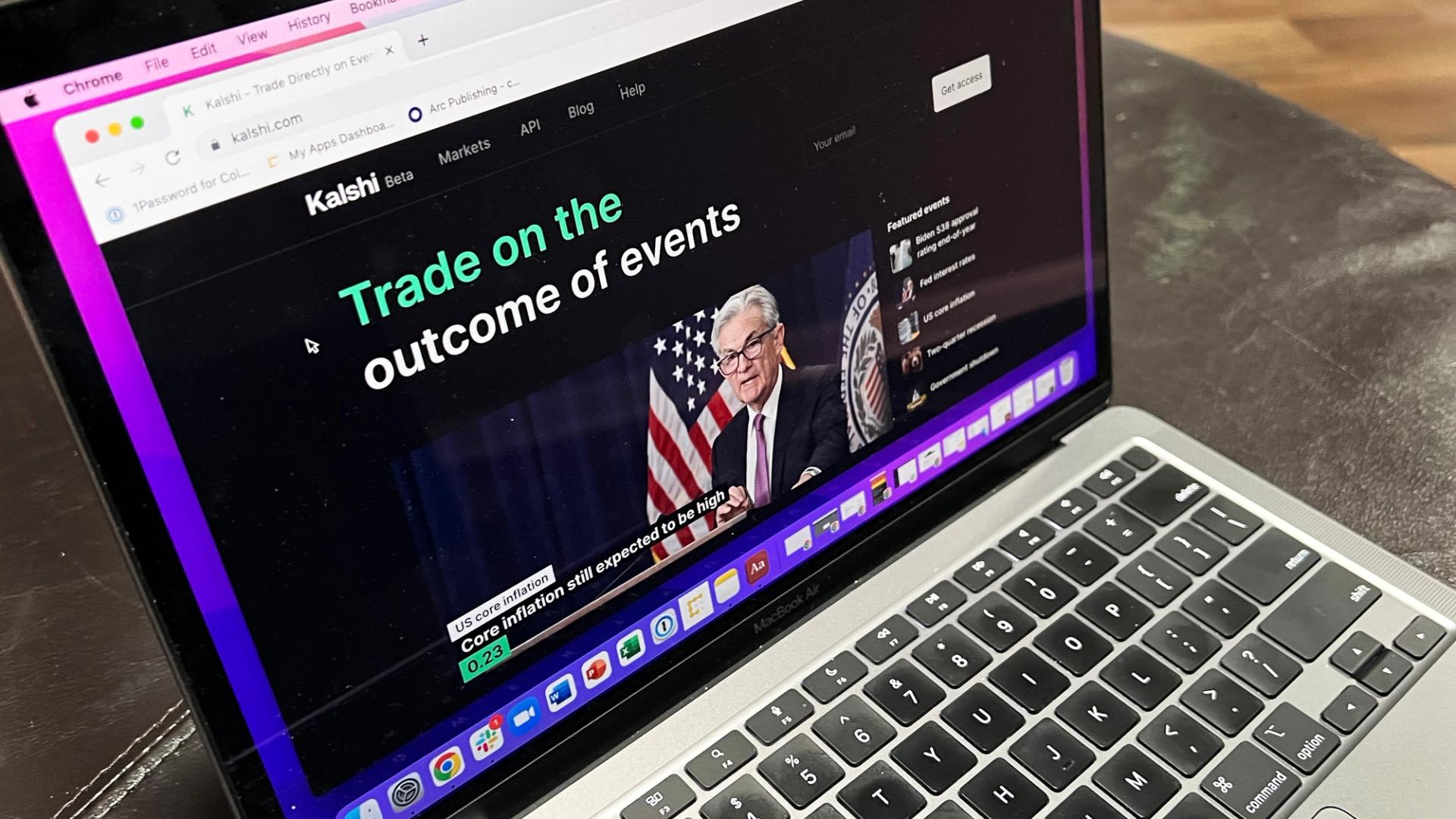
Kalshi, a regulated prediction market platform, has recently halted its offerings in a number of US states, citing evolving regulatory landscapes. This move comes as the platform engages with the Commodity Futures Trading Commission (CFTC) regarding the classification and legality of certain prediction market contracts. The company's decision to withdraw from these states reflects the ongoing scrutiny and debate over how these innovative financial instruments should be regulated within the existing framework.
The core of the dispute centers on whether specific prediction market contracts offered by platforms like Kalshi constitute illegal gambling or legitimate financial derivatives. The CFTC has previously issued warnings and taken enforcement actions against unregistered prediction market platforms, emphasizing the need for such markets to comply with established derivatives regulations. For retail traders in forex, CFDs, and cryptocurrencies, understanding the regulatory environment for new financial products is crucial, as it directly impacts market access and participant protections.
Kalshi, which operates under CFTC regulation for certain event contracts, has been attempting to expand its range of offerings. However, the regulatory body has raised concerns about several proposed contracts, particularly those related to political outcomes and economic indicators, questioning their compliance with the Commodity Exchange Act. This regulatory friction underscores the challenges faced by platforms introducing novel financial instruments that may blur the lines between traditional derivatives and speculative betting.
Regulatory Landscape for Prediction Markets
- The CFTC maintains that prediction markets must adhere to the same regulatory standards as other derivatives markets, including requirements for economic purpose and public interest.
- Kalshi has argued that its contracts serve a legitimate hedging and price discovery function, similar to futures contracts, and are distinct from gambling.
- The current situation highlights the differing interpretations of what constitutes a 'commodity' or a 'swap' under US law, a critical distinction for regulatory oversight.
- State-level regulations also play a significant role, with some states having stricter interpretations regarding the legality of prediction-based financial products.
The outcome of these discussions and any subsequent regulatory actions will likely set precedents for the broader prediction market industry in the United States, influencing product development and accessibility for participants.
📰 Based on reporting from: CoinDesk →