
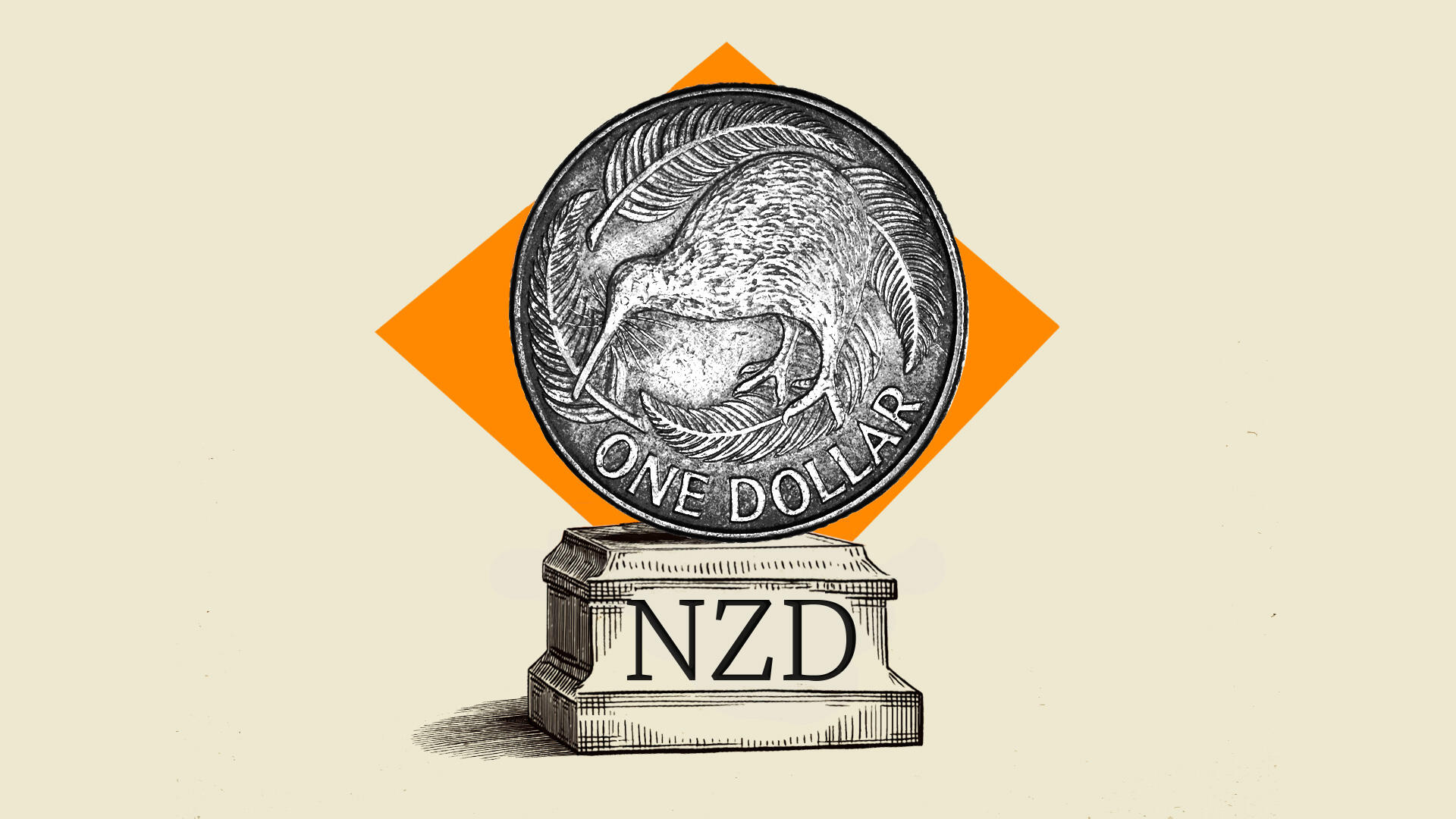
TD Securities' FX strategist, Howard Du, has reiterated a bearish perspective on the New Zealand Dollar (NZD). This stance is primarily driven by the assessment that the market has already largely incorporated expectations for further tightening by the Reserve Bank of New Zealand (RBNZ). For retail forex and CFD traders, this implies that potential future rate increases may have a diminished impact on the NZD's value, as the currency's current price likely reflects these anticipated moves.
The current market consensus suggests that the RBNZ's tightening cycle, aimed at curbing inflation, is now substantially factored into the NZD's valuation. When interest rate hikes are already priced in, the currency typically sees less upward movement following actual rate decisions, unless the central bank delivers a more hawkish surprise than expected. This situation often leads to a 'buy the rumor, sell the fact' dynamic, where the currency strengthens ahead of a rate hike and then potentially weakens or consolidates afterward.
Another key factor supporting the bearish outlook is the normalization of NZD market positioning. This refers to the balance of long (buy) versus short (sell) positions held by traders in the New Zealand Dollar. When positioning is normalized, it suggests that speculative excesses have been unwound, and the currency is no longer overbought or oversold based on speculative flows. This lack of extreme positioning reduces the likelihood of a sharp reversal driven by position adjustments.
Factors Influencing NZD Performance
- RBNZ Monetary Policy: The market's perception of future interest rate movements by the RBNZ remains a primary driver.
- Global Risk Sentiment: As a commodity-linked currency, the NZD is sensitive to shifts in global economic outlook and risk appetite.
- Commodity Prices: Fluctuations in the prices of New Zealand's key exports, such as dairy products, can influence the NZD.
- Economic Data: Domestic economic indicators, including inflation, employment, and GDP growth, provide insights into the RBNZ's policy path.
The maintained bearish bias from TD Securities suggests that upside potential for the New Zealand Dollar may be limited in the near term, as market participants have already accounted for much of the RBNZ's anticipated monetary tightening. Traders might consider this perspective when evaluating NZD pairs.
📰 Based on reporting from: FXStreet →