
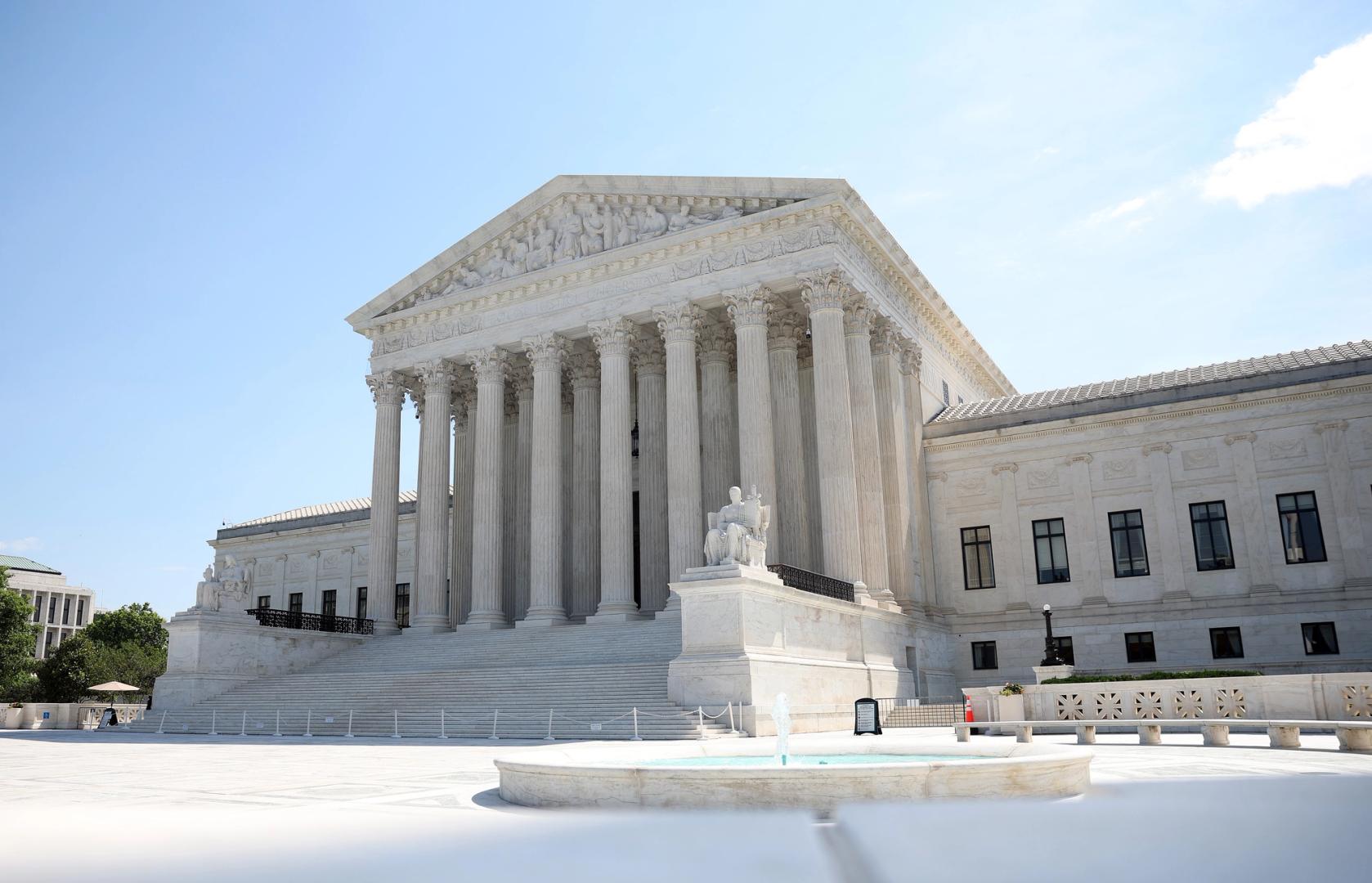
The regulatory landscape for prediction markets in the United States is becoming increasingly complex, with the possibility of the issue reaching the Supreme Court. These platforms allow users to wager on the outcomes of future events, ranging from political elections to economic indicators. The Commodity Futures Trading Commission (CFTC) has recently intensified its scrutiny of these markets, particularly those operated by Polymarket, a prominent decentralized platform.
The CFTC's primary concern revolves around whether these prediction markets constitute illegal gambling operations or fall under its jurisdiction as unregulated derivatives. The agency has previously issued cease-and-desist orders and levied fines against similar platforms, asserting its authority over instruments that resemble futures contracts. This regulatory pressure creates uncertainty for both operators and participants, including retail traders who might view these markets as alternative investment or speculative avenues.
For retail forex, CFD, and crypto traders, understanding this regulatory environment is crucial, as it reflects broader trends in how authorities view novel financial instruments and speculative activities. The outcome of these legal challenges could set precedents for other decentralized finance (DeFi) applications and digital asset classes, influencing their availability and operational frameworks within the US.
Polymarket's Stance and Legal Battle
Polymarket has taken a proactive stance against the CFTC's actions, filing a lawsuit challenging the agency's jurisdiction. The company argues that its markets are distinct from traditional financial derivatives and should not be regulated as such. This legal battle is seen as a significant test case, with its resolution potentially determining the future of prediction markets in the US. The District Court's decision, regardless of its outcome, is widely expected to be appealed, possibly leading to a federal appeals court and, ultimately, the Supreme Court, given the novel legal questions involved.
The legal proceedings highlight a fundamental disagreement over the classification and oversight of these innovative platforms. A Supreme Court review would bring definitive clarity to whether prediction markets are considered commodities, securities, or something entirely different under existing US law, impacting how they can legally operate and be accessed by the public.
The ongoing legal dispute underscores the evolving challenges in regulating new financial technologies and the potential for a landmark ruling to shape the future of speculative markets in the US.
📰 Based on reporting from: CoinDesk →