
In the fast-paced world of financial trading, the immediate aftermath of major economic data releases often dictates short-term market movements. Traditionally, traders have scrutinized indicators such as Treasury yields, the strength of the US Dollar, equity futures, and the CME FedWatch Tool to ascertain the market's initial response. These established metrics provide valuable insights into how institutional players are positioning themselves.
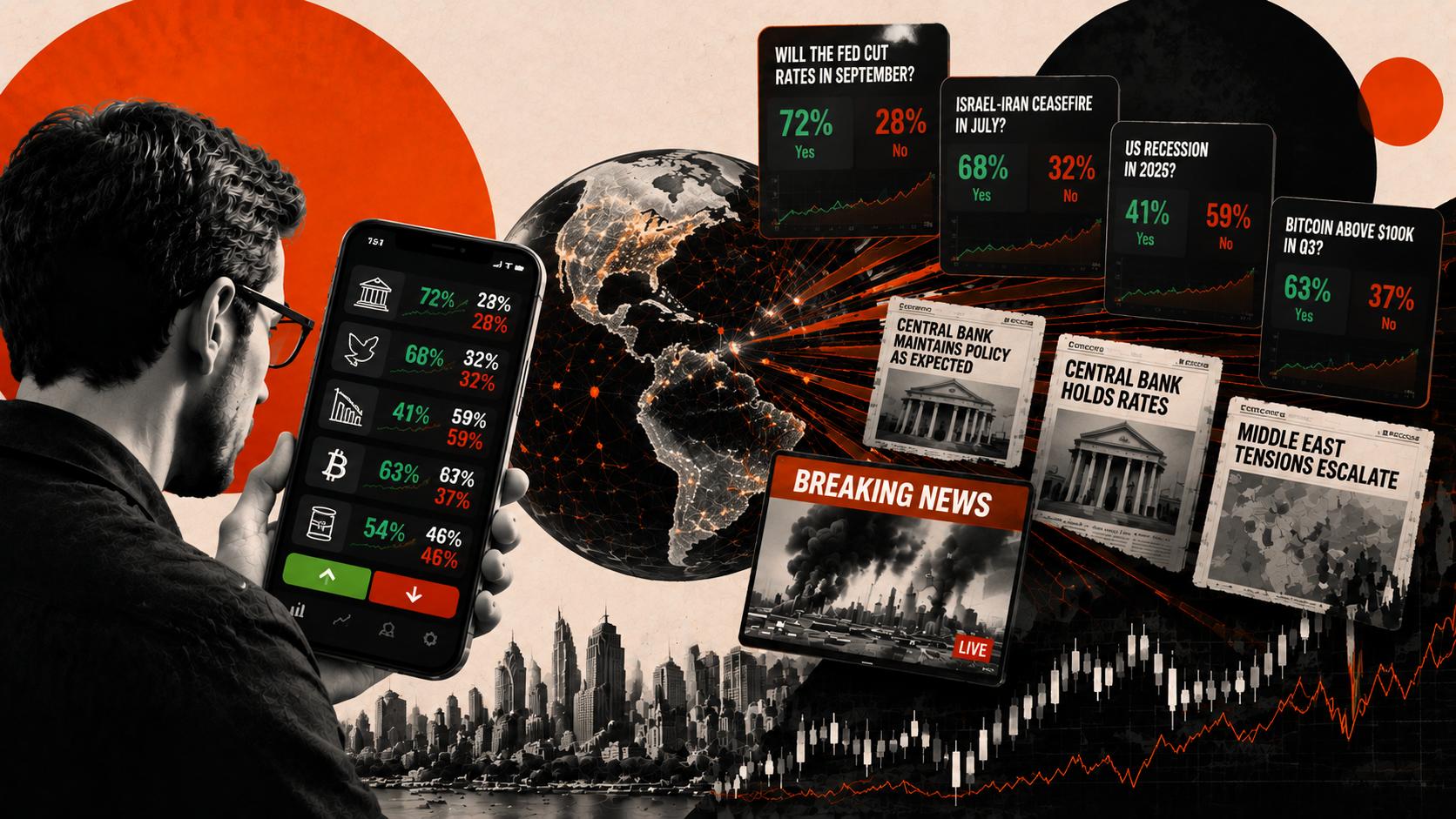
However, a newer analytical tool is steadily capturing the attention of market participants: prediction markets. These platforms allow users to trade contracts based on the outcome of future events, effectively creating a real-time, crowd-sourced probability assessment. For retail forex and CFD traders, understanding these diverse sentiment indicators can offer a more comprehensive view of market expectations, potentially aiding in quicker reaction times to breaking news.
Unlike traditional indicators that reflect price action across various asset classes, prediction markets directly aggregate opinions on specific event outcomes. For instance, after a non-farm payrolls report, a prediction market might show a direct probability of whether the Federal Reserve will hike rates at its next meeting, rather than requiring traders to infer this from bond yields or currency movements alone. This directness can make them a compelling complement to existing analytical frameworks.
How Prediction Markets Function
- Event-Based Contracts: Participants buy or sell contracts that pay out if a specific future event occurs.
- Price Reflects Probability: The price of a contract on a prediction market often mirrors the perceived probability of that event happening. For example, a contract trading at $0.75 might suggest a 75% chance of the event occurring.
- Real-time Updates: As new information emerges, contract prices adjust instantly, providing a dynamic reflection of collective market sentiment.
- Diverse Range of Events: These markets cover a wide array of events, from economic indicators and central bank decisions to political outcomes and technological developments.
The growing prominence of prediction markets suggests a shift in how some traders gather and interpret information. While not replacing conventional analysis, they offer an additional, often more direct, perspective on how the broader market is pricing in the likelihood of future events, providing a useful data point for those navigating volatile post-announcement periods.
📰 Based on reporting from: FXStreet →