
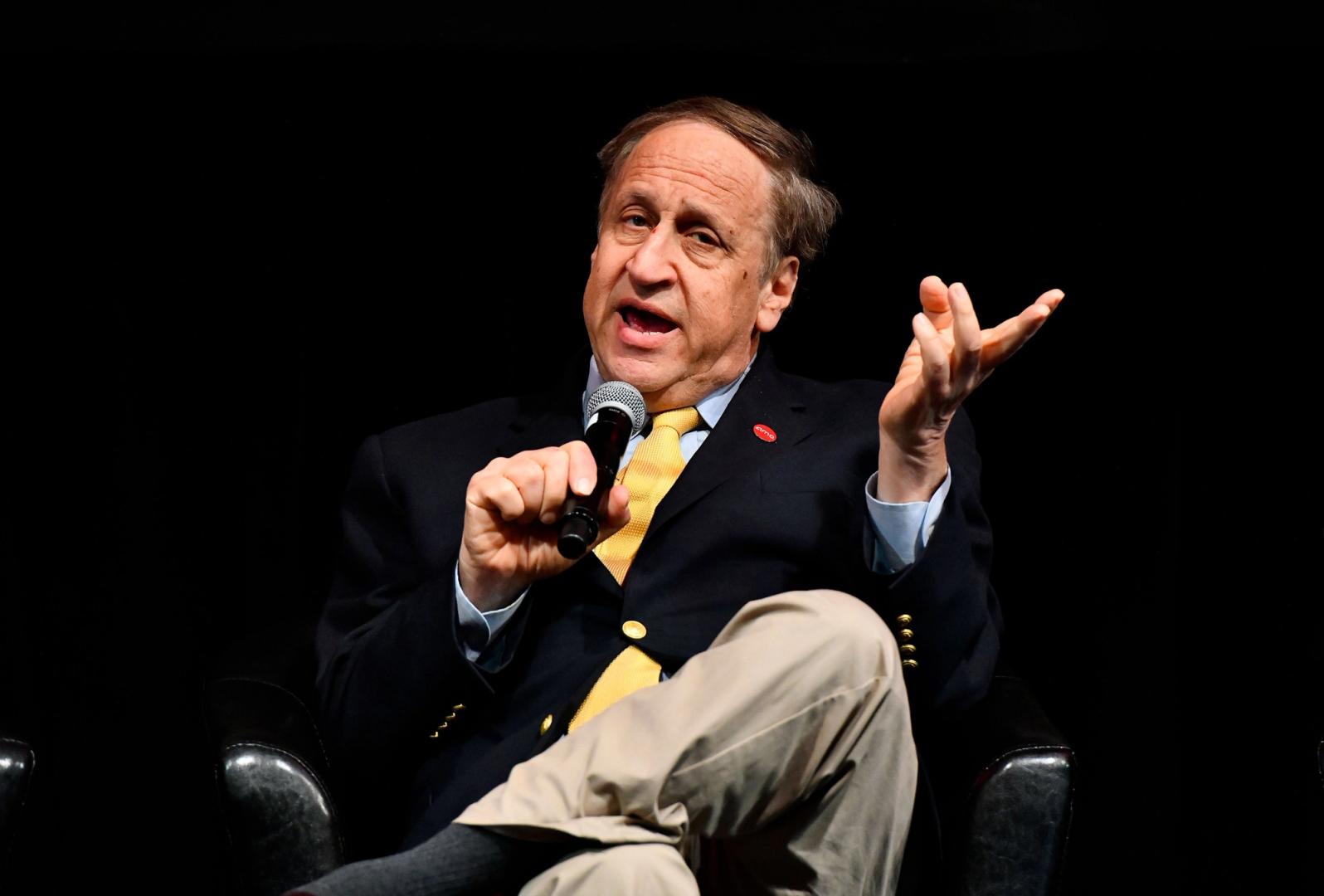
Robinhood Markets has affirmed its intention to continue providing tokenized stock trading, following public criticism from AMC Entertainment Holdings CEO Adam Aron. Aron had previously urged the trading platform to stop offering these digital assets, which represent ownership of traditional equities.
Stock tokens, which are blockchain-based representations of shares in publicly traded companies, allow for fractional ownership and 24/7 trading, potentially appealing to a global retail audience outside of traditional market hours. For forex and CFD traders, understanding these new instruments is crucial as they represent a convergence of traditional finance and digital assets, potentially influencing liquidity and trading patterns across various markets.
The debate surrounding tokenized stocks highlights ongoing discussions about market structure, regulatory oversight, and the evolving landscape of digital asset trading. Robinhood's decision to maintain its offering signals a continued belief in the innovation and potential benefits of these products.
The Broader Implications of Tokenized Assets
- Tokenized assets can broaden access to traditional financial markets for international investors.
- They introduce new compliance challenges for regulators due to their global and decentralized nature.
- The underlying technology could pave the way for more efficient and transparent asset transfer in the future.
- Increased availability of such products may necessitate a re-evaluation of existing market infrastructure.
Robinhood's steadfast position underscores the increasing integration of blockchain technology into mainstream financial services. The company's commitment to tokenized stocks suggests a strategic move to cater to an evolving investor base interested in hybrid financial products, despite the scrutiny from some corporate leaders.
📰 Based on reporting from: CoinDesk →