
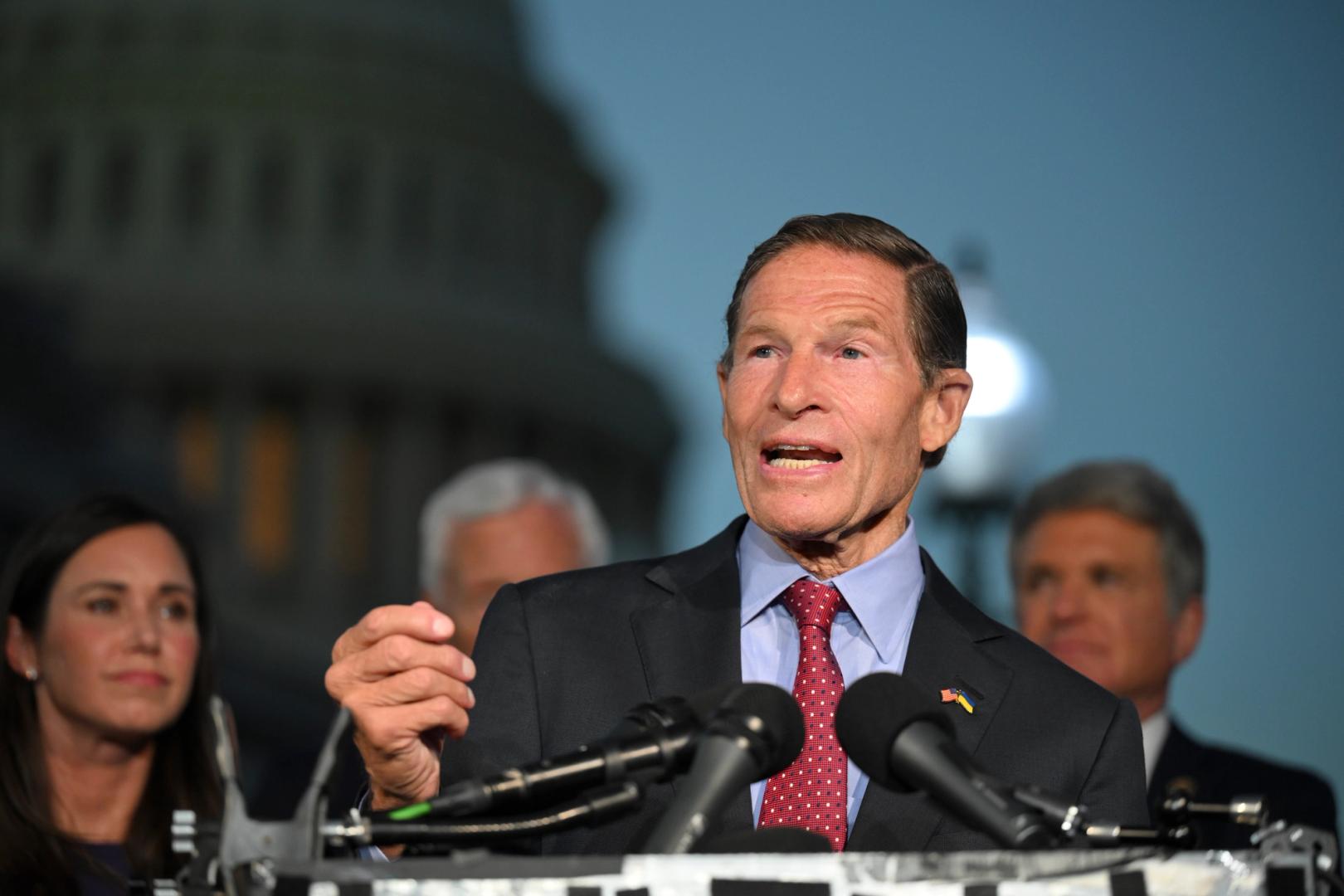
A recent report from US Senate Democrats has drawn attention to the stablecoin Tether (USDT), describing it as a critical financial tool for the Iranian government. The document, released by Senators Elizabeth Warren and Roger Marshall, suggests that Tether provides a 'lifeline' for the sanctioned nation, enabling it to circumvent international financial restrictions and access the global economy.
The report details how Iran has increasingly utilized Tether to facilitate international trade, process payments, and manage its foreign currency reserves. This usage reportedly allows Iran to bypass traditional banking channels, which are largely inaccessible due to comprehensive sanctions imposed by the United States and other international bodies. For retail forex, CFD, and crypto traders, understanding the broader geopolitical implications of stablecoin usage is important as it can influence regulatory landscapes and market sentiment.
The senators' findings emphasize the perceived security and liquidity Tether offers, making it an attractive option for entities seeking to operate outside conventional financial systems. The report also raises concerns about the potential for Tether to be used in illicit activities, including funding for state-sponsored terrorism and proliferation, echoing broader regulatory anxieties surrounding the use of cryptocurrencies in such contexts.
Regulatory Implications and Global Reach
The Senate Democrats' report urges the US Treasury Department to take more assertive action against what they term the 'illicit use' of Tether by Iran. They recommend designating specific foreign financial institutions that facilitate these transactions as primary money laundering concerns, which could trigger more stringent reporting requirements and restrictions. This push for increased oversight reflects a growing global trend among regulators to bring stablecoins and other digital assets under stricter anti-money laundering (AML) and counter-terrorist financing (CTF) frameworks.
Tether, as the largest stablecoin by market capitalization, plays a significant role in the broader cryptocurrency ecosystem, often serving as a bridge between traditional fiat currencies and other digital assets. Its widespread adoption across various exchanges and platforms makes it a crucial component of liquidity in the crypto markets. The report underscores the challenges faced by regulators in monitoring and controlling the flow of digital assets, especially when used by state actors to navigate sanctions.
The ongoing scrutiny from US lawmakers highlights the evolving landscape of digital asset regulation and the increasing focus on stablecoins' potential role in geopolitical contexts and financial sanctions evasion.
📰 Based on reporting from: CoinDesk →