
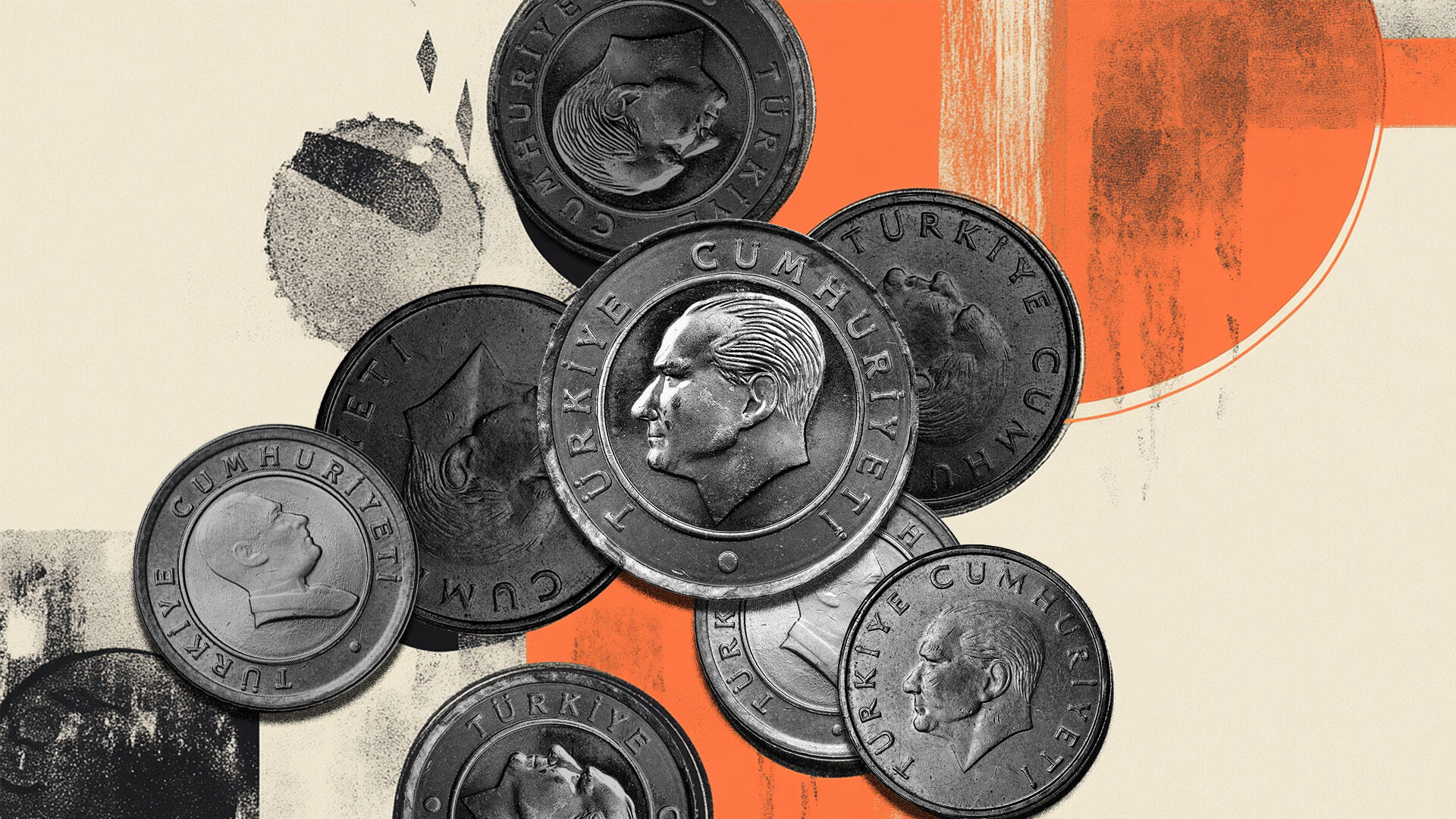
Analysts at ING, including Muhammet Mercan, Frantisek Taborsky, and James Wilson, have noted a shift in the market's valuation of the Turkish Lira (TRY). Their recent analysis indicates that the current market pricing is moving closer to their long-term interest rate forecasts for the Central Bank of Turkey (CBRT), specifically for the year 2026. This adjustment in market sentiment is attributed to a combination of factors, including a normalization of liquidity conditions within the Turkish financial system and a decrease in the effective funding rate.
The CBRT has been engaged in efforts to combat inflation, which has been a significant economic challenge for Turkey. The current observations by ING suggest that these efforts might be starting to yield results, with expectations of disinflation providing a basis for a gradual repricing of the Lira. Such developments are closely watched by retail forex and CFD traders, as shifts in a country's monetary policy outlook and inflation trajectory can significantly impact currency pairs involving the TRY, such as USD/TRY or EUR/TRY, influencing potential trading opportunities and risk assessments.
Understanding the interplay between interest rates, inflation, and currency valuation is crucial for participants in the forex market. When a central bank's policy rate expectations align more closely with market pricing, it can reduce uncertainty and potentially lead to more stable currency movements, although volatility remains a constant feature of currency markets.
Disinflationary Trends and Market Reaction
- The market's implied interest rate path for Turkey is converging with ING's projections for 2026.
- Improved liquidity conditions within the Turkish financial system are a key contributing factor.
- A lower effective funding rate is also playing a role in this repricing.
- Expectations of disinflation are providing underlying support for the Lira's gradual revaluation.
The observed alignment between market pricing and ING's long-term CBRT rate expectations suggests that participants are increasingly factoring in a potential disinflationary environment. This outlook offers a more stable framework for understanding the Turkish Lira's future trajectory, although economic conditions remain subject to various global and domestic influences.
📰 Based on reporting from: FXStreet →