
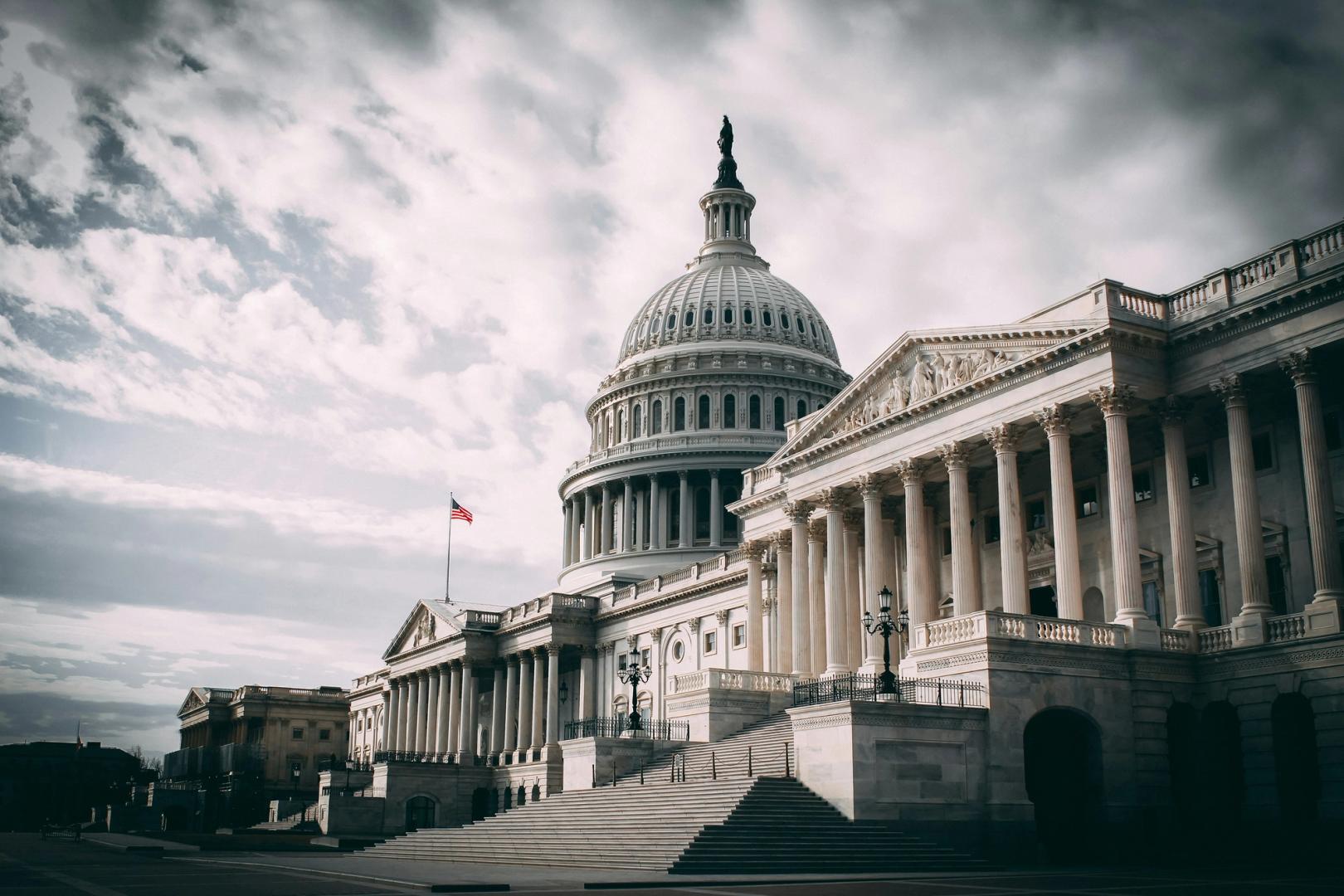
The potential for comprehensive cryptocurrency regulation in the United States faces renewed uncertainty following the recent stall of the 'Clarity Act' within Congress. This legislative effort aimed to establish a clear framework for digital assets, an outcome eagerly anticipated by an industry grappling with a patchwork of state and federal rules.
The lack of a unified regulatory approach in the US has long been a point of contention for market participants. The existing landscape often sees various agencies, including the Securities and Exchange Commission (SEC) and the Commodity Futures Trading Commission (CFTC), asserting jurisdiction over different aspects of the crypto market, leading to overlapping mandates and legal ambiguities. This environment can present challenges for retail forex/CFD traders who may find it difficult to ascertain the regulatory status of certain crypto-related products or services offered by brokers.
For brokers and exchanges operating within the US, the absence of a clear legal framework can complicate compliance efforts and stifle innovation. Many in the crypto sector have voiced concerns that this regulatory vacuum puts US-based companies at a disadvantage compared to those in jurisdictions with more defined digital asset laws.
Global Regulatory Shifts and US Implications
As legislative progress in the US remains slow, other nations and regions are moving ahead with their own comprehensive crypto regulations. Jurisdictions like the European Union, with its Markets in Crypto-Assets (MiCA) regulation, and various Asian financial hubs are developing frameworks that aim to provide legal certainty and foster responsible growth. This divergence in regulatory approaches could incentivize US crypto businesses to explore opportunities and establish operations in locations offering more predictable legal environments.
The current situation highlights a growing frustration within the American crypto industry. Many stakeholders believe that the lack of clear guidelines not only hinders domestic growth but also risks the US falling behind as a global leader in digital asset innovation. The ongoing debate underscores the pressing need for a cohesive governmental strategy to address the unique characteristics and challenges of cryptocurrencies.
Ultimately, the inability of the 'Clarity Act' to gain traction reinforces the perception of an uncertain regulatory future for cryptocurrencies in the United States, potentially influencing the global footprint of US crypto enterprises.
📰 Based on reporting from: CoinDesk →