
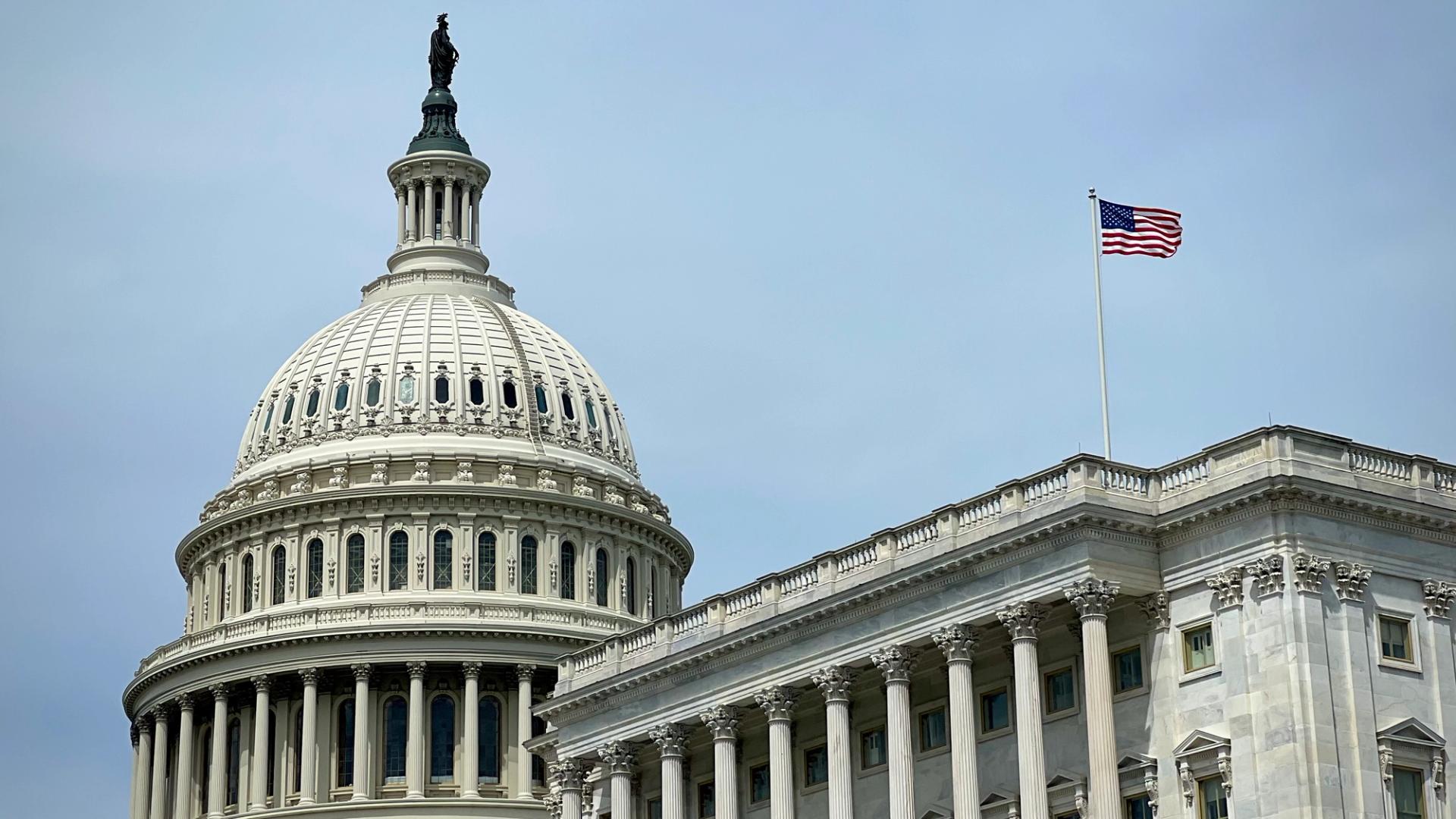
A recent legislative initiative aimed at establishing a clear regulatory framework for digital assets in the United States has been unsuccessful in the Senate. Known as the Crypto Clarity Act, the bipartisan bill did not garner sufficient support during a crucial procedural vote, effectively halting its progress through Congress. This outcome underscores the ongoing challenges in developing comprehensive legislation for the rapidly evolving cryptocurrency sector.
The proposed legislation sought to delineate the responsibilities of various regulatory bodies, such as the Securities and Exchange Commission (SEC) and the Commodity Futures Trading Commission (CFTC), regarding different types of digital assets. Proponents argued that such clarity is essential for fostering innovation while simultaneously protecting investors. The bill's failure leaves the industry to grapple with existing regulations, which many consider ambiguous or ill-suited for digital assets.
For retail traders involved in forex, CFDs, and cryptocurrencies, the absence of clear US federal guidelines means continued uncertainty regarding how various digital assets will be classified and regulated. This can impact the availability of certain products, trading platforms' operational requirements, and the overall market environment for crypto derivatives.
Key Aspects of the Proposed Legislation
- The bill aimed to define which digital assets would be classified as commodities and which as securities.
- It sought to assign specific oversight roles to the SEC and CFTC based on these classifications.
- A core objective was to provide a predictable legal environment for cryptocurrency businesses and investors.
- The legislation also included provisions related to consumer protection and market integrity within the digital asset space.
The rejection of the Crypto Clarity Act signals that significant legislative hurdles remain for comprehensive digital asset regulation in the US. Lawmakers will need to revisit their approach to bridge divides and establish a framework that can effectively address the complexities of the cryptocurrency market.
📰 Based on reporting from: CoinDesk →