
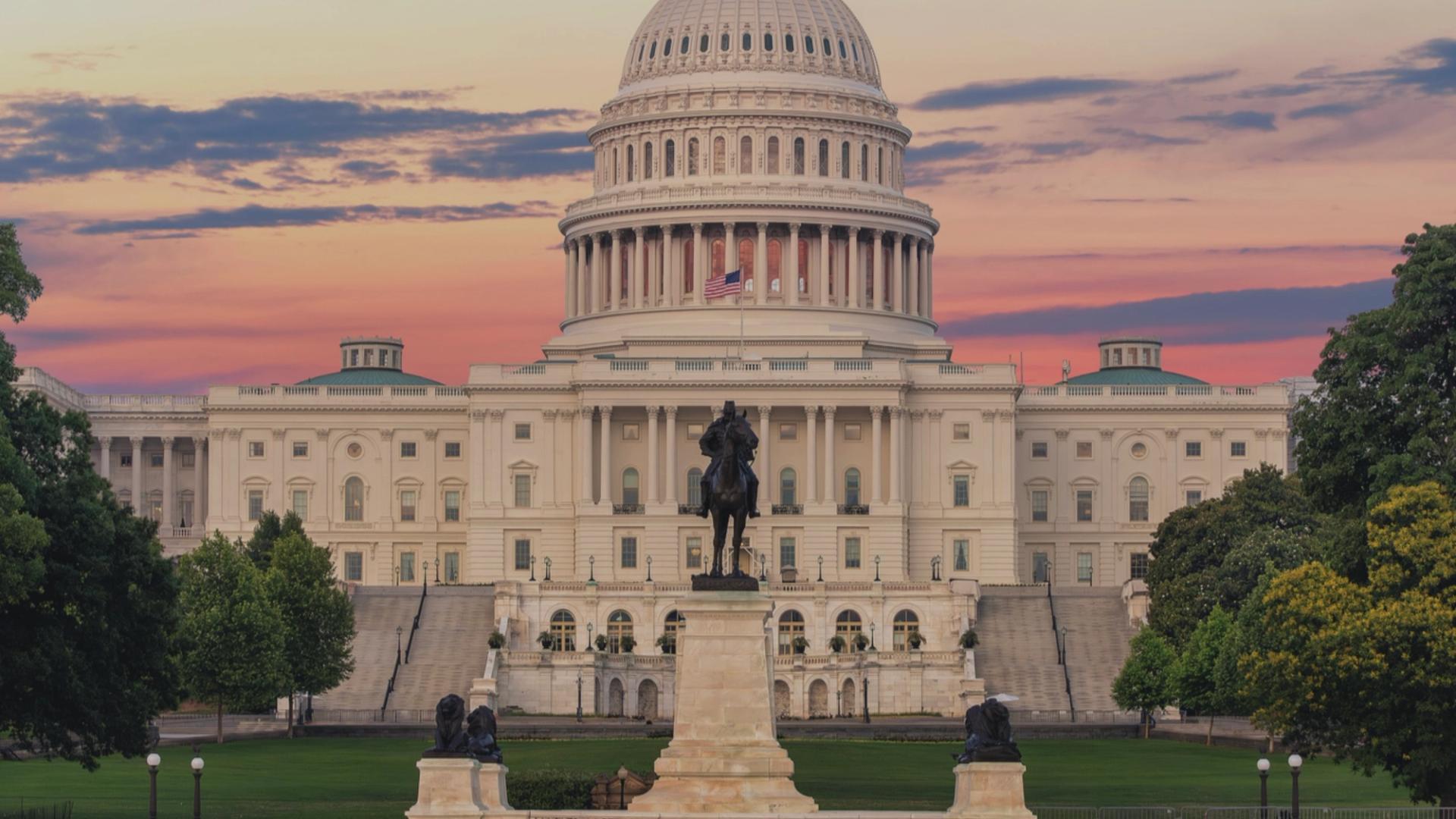
The recent decision by the US Senate to uphold the Securities and Exchange Commission's (SEC) Staff Accounting Bulletin 121 (SAB 121) has significant implications for the digital asset landscape, particularly concerning custody practices. The resolution, aimed at overturning SAB 121, failed to pass, meaning the accounting guidance remains in effect. This outcome is widely seen as advantageous for established financial institutions and international centers that have been actively developing their digital asset infrastructure.
SAB 121 mandates that financial institutions holding crypto assets for clients must record these assets as liabilities on their balance sheets. This requirement consumes capital and can constrain banks' ability to offer extensive digital asset custody services. For retail forex, CFD, and crypto traders, this regulatory environment can influence the range and cost of services provided by regulated entities in the US, potentially pushing some activity towards less regulated or offshore platforms.
Traditional banks, which typically possess robust capital reserves and established regulatory frameworks, are better positioned to absorb the capital implications of SAB 121 compared to many smaller, specialized crypto firms. This allows them to potentially expand their market share in digital asset custody. Meanwhile, international financial centers like Dubai, known for their progressive stance on digital asset regulation and attractive business environments, are likely to see increased interest from firms seeking more flexible operating conditions.
Impact on Digital Asset Custody and Innovation
- The continued enforcement of SAB 121 may encourage a shift in digital asset custody towards larger, well-capitalized banks.
- Offshore jurisdictions, offering different regulatory approaches, could become more appealing for digital asset businesses.
- This regulatory stance might influence the pace of innovation in digital asset services within the US, potentially favoring entities operating under different legal frameworks.
- The decision underscores the ongoing regulatory challenges and varying global approaches to digital assets, impacting how these assets are held and managed.
The Senate's vote reinforces the current regulatory posture towards digital assets in the US, potentially solidifying the roles of traditional financial institutions and international hubs in the evolving digital economy. This development will likely continue to shape the strategies of businesses and investors navigating the digital asset space.
📰 Based on reporting from: CoinDesk →